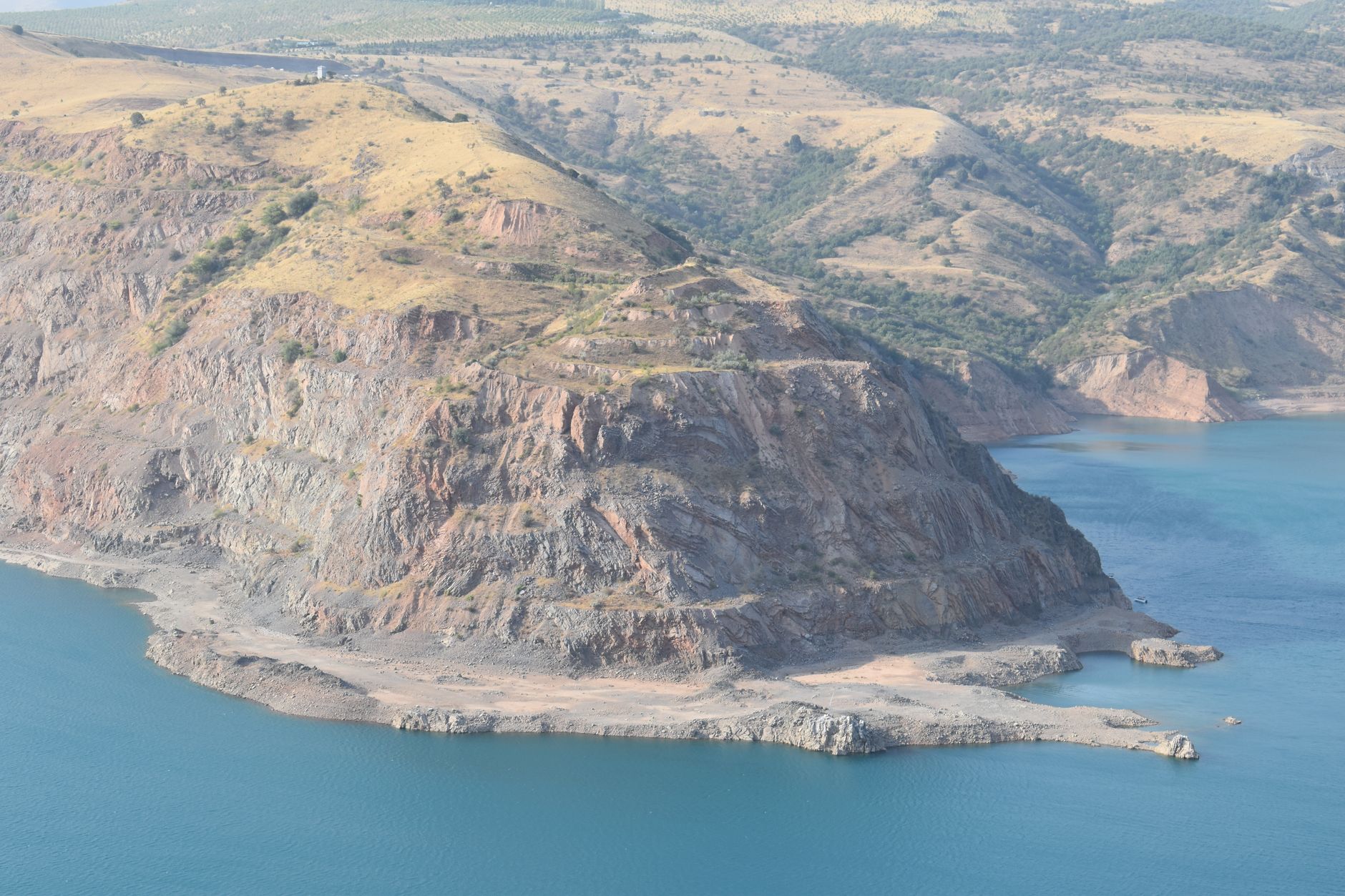

Africa’s Quiet Grip on the Strait of Hormuz - and Why Your Wallet Feels It
The Strait of Hormuz is a narrow waterway, but its geopolitical pulse is felt in grocery aisles and airline tickets across Africa. When tensions flare, crude prices spike, and the ripple reaches you in the form of higher fuel costs, pricier groceries, and more expensive flights. The good news? You can blunt the impact with a few smart moves.
Why the Strait of Hormuz Hits Your Wallet
The Strait carries about 20 % of the world’s crude exports. A flare-up between Iran and the United States, or even a maritime accident, can push Brent crude from $70 to $80 per barrel in hours. That ten-cent jump translates to roughly a 5, 10-cent rise per gallon at the pump. Shipping costs for groceries, the diesel used by delivery trucks, and the price of imported foods all climb in tandem.
According to Deutsche Welle, African governments are stepping into the diplomatic arena not just out of humanitarian concern but to protect the very supply chains that keep their own energy budgets stable. When those diplomatic efforts falter, the cost shock travels to your local supermarket shelves.
The Silent Tax on Your Household Budget
| Date | Event | Brent Crude (USD/bbl) | U.S. Gasoline (USD/gal) |
|---|---|---|---|
| 12 Feb 2024 | Iranian naval vessel intercepted near the Strait | 73.23 | 2.45 |
| 28 Mar 2024 | U.S. sanctions on Iranian shipping firms | 81.53 | 3.67 |
| 15 Jun 2024 | Brief skirmish between Iranian and Saudi patrols | 68.43 | 3.38 |
The 8-cent jump in crude on 28 Mar 2024 produced a 22-cent increase in gasoline. The pattern repeats in the grocery sector: a 5 % rise in diesel costs pushes the price of a 12-pack of eggs up by roughly 10 cents.
Practical Steps You Can Take Today
1. Audit Your Home for Energy Efficiency
- Install a smart thermostat like the Nest Learning Thermostat (≈ $250). You can save 10, 15 % on heating and cooling bills over a year.
- Add weather stripping to doors and windows; a $30 kit can cut drafts by 25 %.
- Swap incandescent bulbs for LED fixtures (≈ $5 per bulb) to cut lighting costs by 80 %.
- Use fare-comparison tools that flag fuel-surcharge spikes. Airlines such as Emirates and Qatar Airways often add a 10, 15 % surcharge during periods of heightened Strait tension.
- Book flights at least 45 days in advance; flexible dates can save 5, 10 % on ticket price.
- For business travel, consider virtual or hybrid meetings to avoid last-minute flights.
- Subscribe to local fuel price alerts from your state’s Department of Transportation.
- Track on Bloomberg or Reuters; a 5-% rise in crude often precedes a 3-% rise in local gasoline.
- Align grocery shopping with fuel price trends: a spike in oil today may push your grocery bill up by 5, 7 % in a month.
- Check our consumer deals section for discounts on energy-efficient appliances, insulation materials, and smart home gadgets.
- Look for seasonal rebates on HVAC units; the U.S. Department of Energy offers a 15 % rebate for ENERGY STAR-certified furnaces.
African Diplomatic Moves in Depth
South Africa
South Africa’s Department of Trade, Industry and Competition negotiated a 5-year maritime insurance package with Gulf Cooperation Council (GCC) countries in 2023. The deal cuts freight costs by 12 %, saving the South African shipping industry roughly $1.5 million annually and keeping import prices down for consumers.
Egypt
Egypt’s strategic position between the Mediterranean and the Red Sea has led the Egyptian Navy to increase patrols in the Bab el-Mandeb Strait. By ensuring safe passage, Egypt helps maintain a steady flow of oil to African markets, preventing price spikes that would otherwise hit domestic fuel subsidies.
Nigeria
Nigeria, Africa’s largest oil producer, launched the “Oil Pipeline Security Initiative” (OPSI) to protect its own crude exports from piracy and sabotage. While OPSI is domestic, it signals to international partners that Nigeria is committed to maintaining global oil stability, reducing the risk of sudden supply disruptions that could force other African economies to turn to more expensive energy sources.
What to Do Next
- Checking our consumer deals section for discounts on energy-efficient home hardware.
- Prioritizing flexible booking options for travel.
- Ignoring the noise of 24-hour news cycles and focusing on the tangible price of energy, which remains the most accurate barometer for your personal financial health.
Related on Trusted Brand Deals
Key takeaways
- African leaders are quietly lobbying in the Gulf to keep oil flowing, because a single disruption can send global crude prices sky-high.
- A $10-per-barrel jump in Brent crude can add 5, 10 cents to every gallon of gasoline, and a 5 % rise in diesel can push the price of a dozen eggs by a dime.
- Practical countermeasures: upgrade home insulation, buy energy-efficient appliances, and book travel with flexible dates to dodge fuel-surcharge spikes.
Frequently asked questions
- 1. How does diplomacy in the Strait of Hormuz affect my grocery bill?
- Most groceries are transported using diesel-powered trucks and ships. When oil prices rise due to security concerns in critical transit points like the Strait of Hormuz, transportation costs increase, and retailers pass those costs on to consumers in the form of higher food prices.
- 2. Should I change my travel plans because of these tensions?
- You don’t need to cancel plans, but you should anticipate fuel surcharges. Opting for flexible booking windows and avoiding last-minute travel can help you manage the cost fluctuations caused by regional instability.
- 3. Why are African nations involved in this Middle Eastern diplomatic issue?
- African economies are increasingly integrated into global energy trade. Securing the Strait of Hormuz is essential for these nations to maintain stable energy imports, which are necessary to support their own industrial growth and manage domestic inflation.
- 4. What specific actions can I take to shield my household from fuel price hikes?
- Install a smart thermostat and upgrade insulation. Shop for ENERGY STAR appliances and take advantage of seasonal rebates. Use fare-comparison tools that flag fuel surcharges. Monitor and local fuel price alerts.
Sources & references
Primary reporting and data used in this article. We cite original publishers to support fact-checking and editorial transparency.
You've finished this article
Keep exploring International News coverage or browse today's top deals.