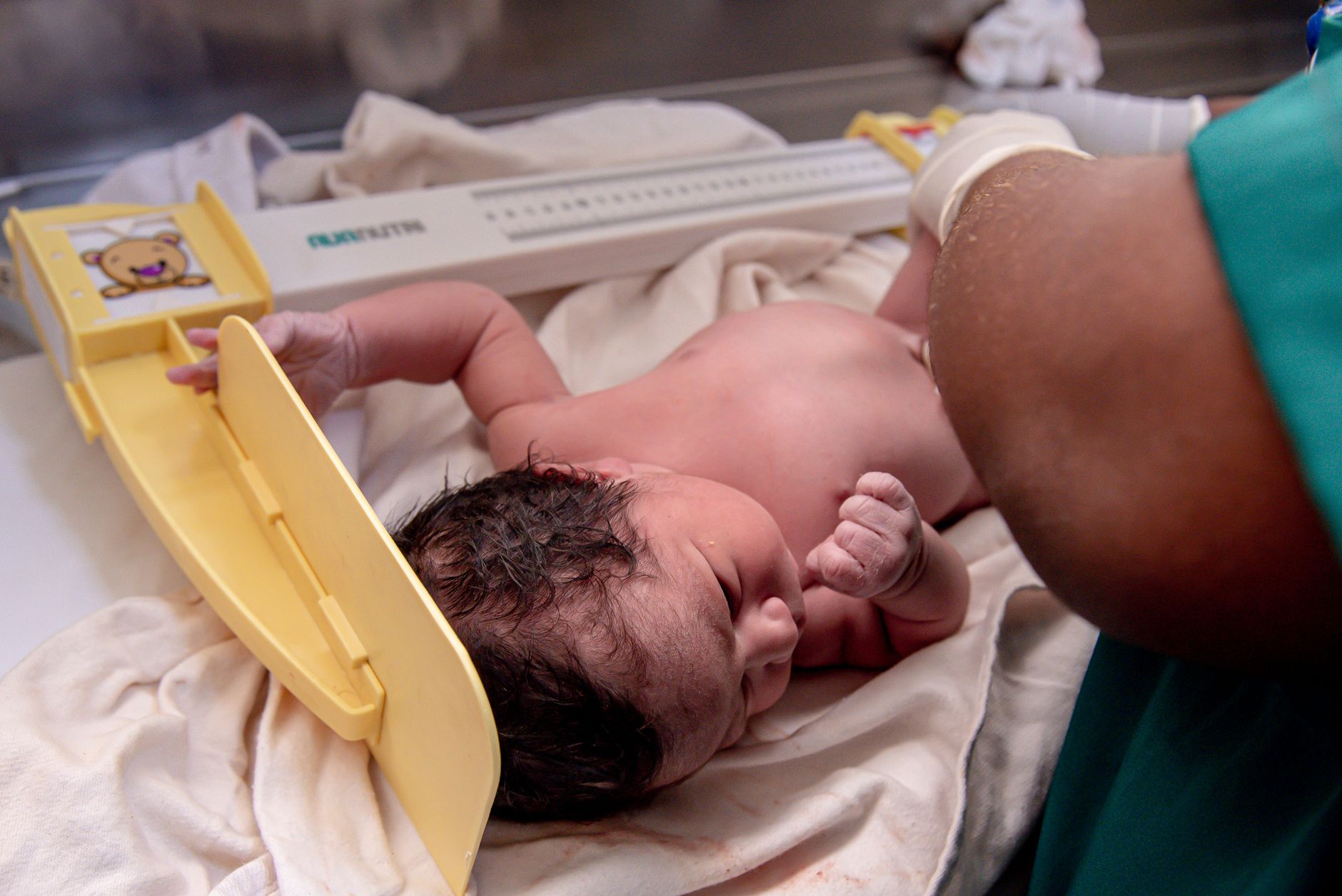
The global push for maternal and newborn care on World Health Day 2025 highlights proven programs, but it should not replace personal medical advice. Find out how to support evidence-based initiatives while staying safe and informed.
Official brand promotions. Confirm live prices at checkout
Trusted Brand Deals Blog
Health news explained in plain English with evidence-based context.

The global push for maternal and newborn care on World Health Day 2025 highlights proven programs, but it should not replace personal medical advice. Find out how to support evidence-based initiatives while staying safe and informed.

Belgium and the World Health Organization have signed a new collaboration agreement that promises faster vaccine deployment but raises concerns about data privacy and local budget strain. This piece breaks down the decision, the tradeoffs, and what it means for community programs.

Switzerland’s new partnership with WHO extends to 2028, a move that could reshape global health governance but also risks uneven resource distribution. This analysis breaks down the agreement’s key elements, potential trade-offs, and what health professionals should watch for.

The World Health Organization’s new partnership with Saudi Arabia is a strategic move that could reshape disease surveillance, health-care capacity, and emergency response across the Middle East and beyond.

Luxembourg’s new agreements with the World Health Organization mark a turning point for global health cooperation, positioning the tiny country as a key player in research and diplomacy.

France has committed new funding to the World Health Organization, but what does this mean for global health stability? We break down the shift in international health financing.

A new partnership between Lebanon and the European Investment Bank (EIB) aims to boost the country’s health system resilience. The World Health Organization (WHO) is coordinating the effort, while experts warn that funding gaps and supply-chain disruptions could threaten service delivery. Transparent allocation, robust

The World Health Organization has weighed in on the United States’ decision to withdraw from its international health commitments. This move threatens global disease surveillance, vaccine research, and equity in health care. Experts warn that reduced U.S. engagement could widen gaps in outbreak response and strain inte

The World Health Organization has called for a global expansion of newborn screening programs to detect birth defects early, potentially reducing lifelong treatment costs and improving outcomes. While the approach is generally safe, parents should be prepared for the possibility of false positives and limited follow-up

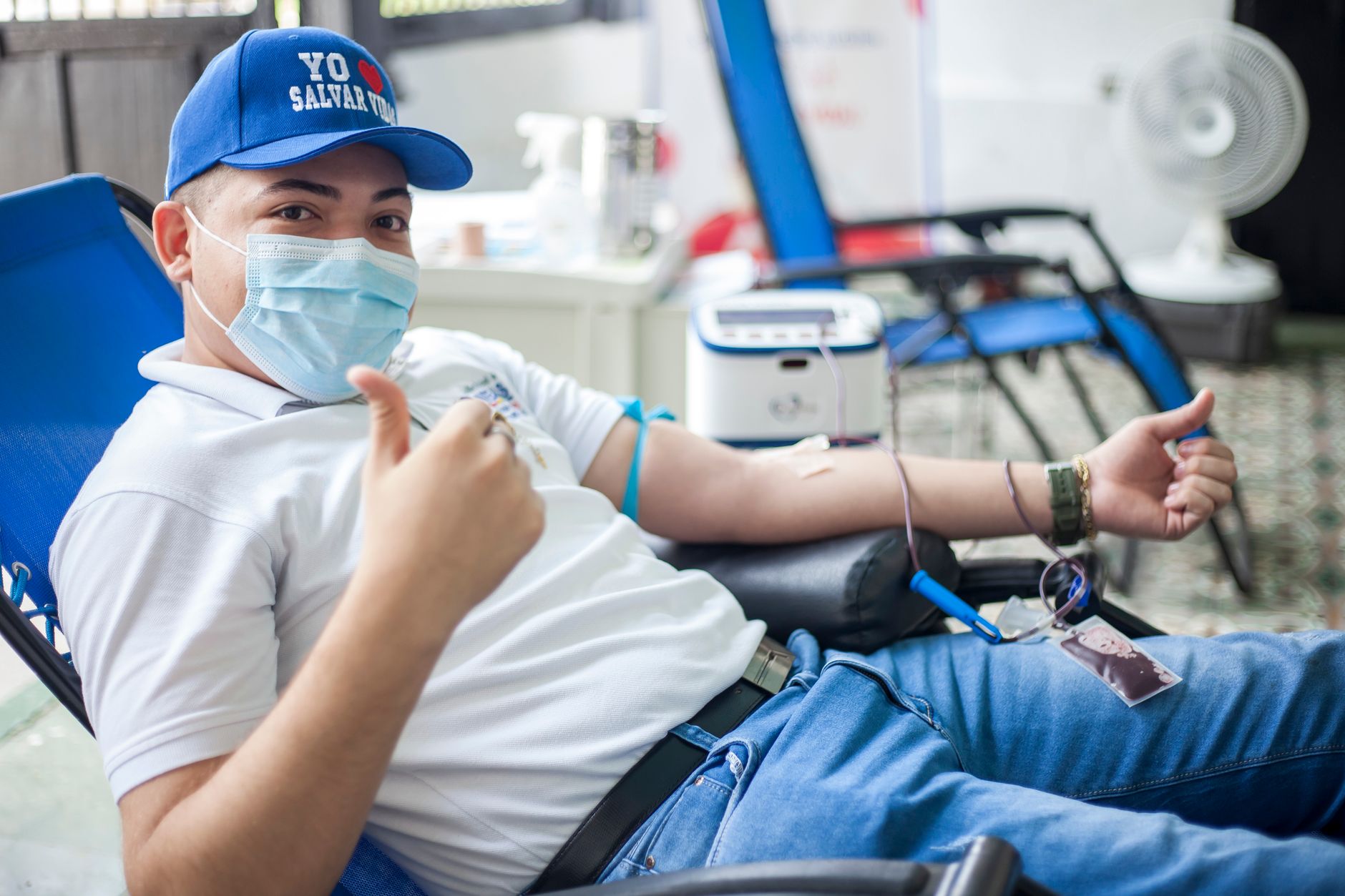
Worldwide, voluntary blood donations now meet more than 85 % of demand, yet shortages persist in low-income regions. Disruptions from pandemics, supply chain issues, or strict donor deferral rules threaten progress. This article explains the data, risks, and actions for patients and potential donors.