Why Iran's Pickaxe Mountain is a tough target for the US
What Happened
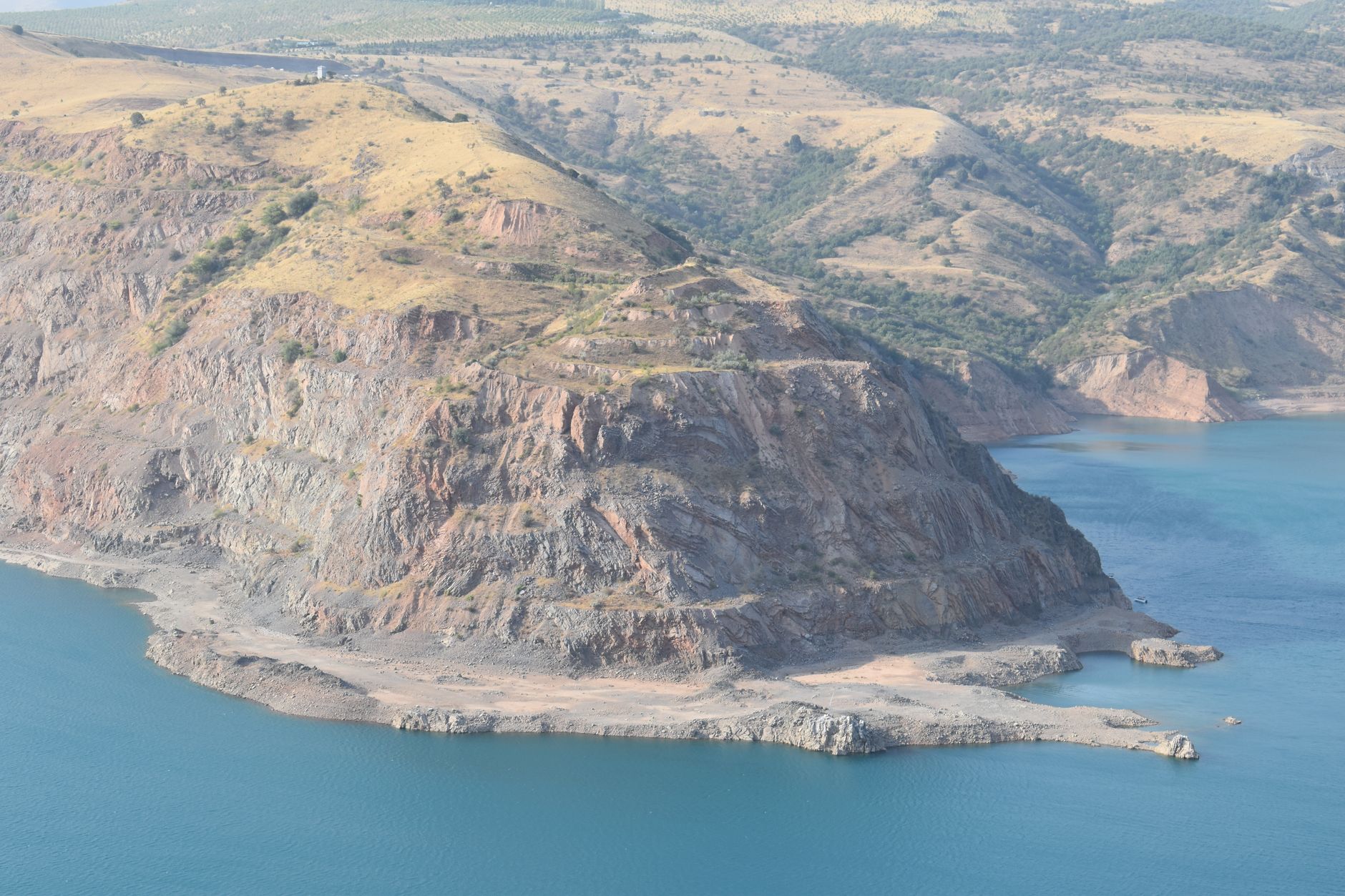
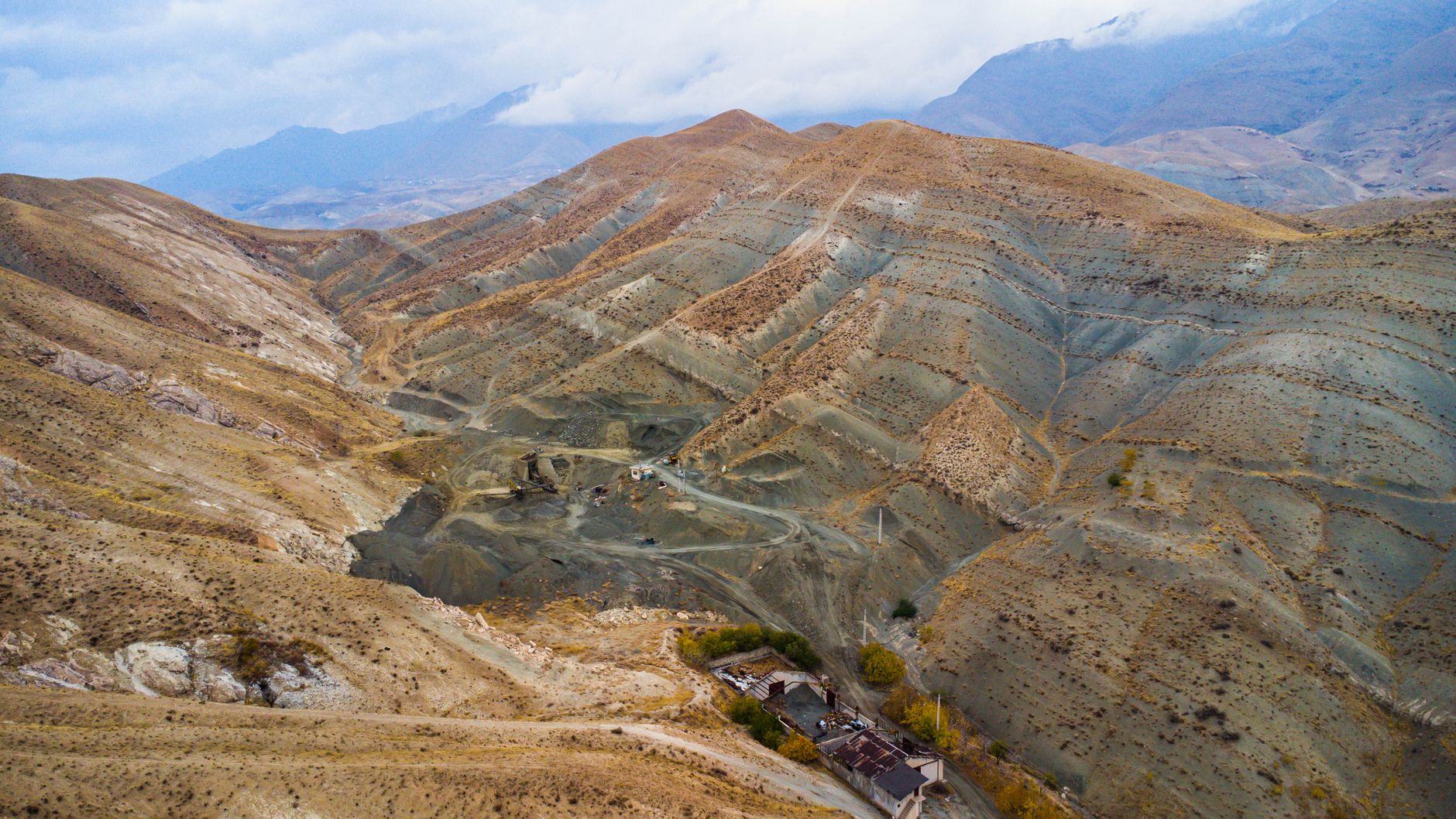
In July 2024, the United States reiterated that Iran’s remains a strategic target. The mountain, located in the northern Zagros range, houses a network of underground facilities used by Iran to store and maintain military equipment. US intelligence agencies increased surveillance and drone activity in the area following a series of incidents that raised concerns about potential regional destabilization. The statement came after Iran announced new defensive measures in response to US sanctions and diplomatic pressure. Timely editorial analysis iran pickaxe shows that heightened tensions around Iran’s Pickaxe Mountain could push oil prices higher, leading to increased gasoline and heating costs that squeeze household budgets.
“Mountain remains a tough target for the US,” said a US official. (Deutsche Welle).
The US response highlighted the importance of maintaining a deterrent posture in a region where supply chains and energy flows are already fragile. For more context, see our international news desk.
Why It Matters
The focus on is more than a geopolitical headline. It signals a potential uptick in global oil prices, which directly affects household budgets. A rise of 1, 2 US dollars per barrel can translate into 10, 15 cents more per gallon of gasoline, pushing higher during the winter months. Travelers planning trips to the Middle East may face increased airfare and visa fees, while global supply chains could experience delays that raise the prices of everyday items such as electronics and groceries. Consumers can mitigate these effects by monitoring fuel price trends, adjusting travel itineraries, and building a small emergency cash reserve for unexpected price spikes.
For those looking for savings, check our consumer deals and Electronics deals pages for current discounts.
Background
The U.S. has long viewed the Zagros region as a strategic buffer against Iranian military expansion. The recent intensification of surveillance reflects growing concerns that Iran may use the area to launch or support operations that could threaten shipping lanes in the Persian Gulf. The U.S. has also imposed additional sanctions on Iranian defense contractors, prompting Iran to bolster its defensive posture around key installations.
Key Numbers
- Oil price increase: 1, 2 US dollars per barrel
- Gasoline price rise: 10, 15 cents per gallon
- Airfare hike: 5, 10 percent
- Visa fee increase: 20, 30 US dollars
- Consumer goods price rise: 3, 5 percent
Main Stakeholders
- United States government and intelligence community
- Iranian military and defense contractors
- Global oil producers and traders
- Airlines operating in the Middle East
- Consumers worldwide, especially those traveling or purchasing imported goods
Timeline
| Date | Event |
|---|---|
| Early July 2024 | U.S. reiterates strategic focus on |
| Mid-July 2024 | Iran announces new defensive measures in response to U.S. sanctions |
| Late July 2024 | U.S. intelligence increases surveillance and drone activity |
Market/Political/Social Impact
The heightened focus on has a ripple effect across several sectors. Trade flows through the Persian Gulf are already sensitive to geopolitical shifts; a further escalation could slow shipping lanes, increasing freight costs. Travel agencies report higher demand for alternative routes, which can lead to higher ticket prices. Electronics and other consumer goods are already stretched; delays in shipping can push launch dates and retail prices upward. The situation also adds pressure on the U.S. dollar, which can influence inflation expectations worldwide.
Concrete Examples
- Shipping Delays: A recent incident in the Strait of Hormuz forced the rerouting of 12 container ships, adding an average of 48 hours to transit times and increasing fuel consumption by 3 percent.
- Air Travel: Airlines such as Qatar Airways and Emirates have reported a 7 percent rise in operating costs, which is being passed on to passengers through higher ticket prices.
- Consumer Electronics: The launch of a new smartphone line from a major manufacturer was postponed by two weeks due to a shortage of key components that were delayed at the port of Bandar Abbas.
What Happens Next
US officials are likely to maintain a watchful stance while exploring diplomatic avenues to de-escalate tensions. The international community, including the European Union and the United Nations, may call for restraint and increased dialogue. Consumers should stay informed through reliable news sources, including our international news desk page, and keep an eye on fuel price trackers. If you plan a trip to the Middle East, consider flexible booking options and monitor visa fee changes. Building a modest emergency fund, just enough to cover a few days of higher fuel or grocery costs, can provide peace of mind during uncertain times.
What to Watch Next
- U.S. diplomatic statements regarding sanctions or negotiations with Iran.
- Oil market volatility on the New York Mercantile Exchange and Brent futures.
- Airline cost adjustments announced by carriers serving the Middle East.
- Visa fee announcements from U.S. embassies and consulates in the region.
Consumers can stay ahead by subscribing to airline fare alerts, following official visa fee updates, and monitoring grocery price indices in their local markets.
TrustedBrandDeals Analysis
Consumers can take practical steps to cushion the impact of rising energy and travel costs:
- Track fuel prices: Use free online tools that compile weekly gasoline price data to spot trends early.
- Adjust travel itineraries: Book flights during off-peak periods or use multi-city itineraries that include cheaper layovers.
- Build an emergency reserve: Set aside a small amount, e.g., $200-$300, to cover unexpected increases in fuel or grocery bills.
- Shop smart: Take advantage of the discount offers on our consumer deals and Electronics deals pages to offset higher prices on everyday goods.
Related on Trusted Brand Deals
Frequently asked questions
- How will a rise in oil prices affect my monthly budget?
- A 1, 2 dollar increase per barrel typically adds 10, 15 cents to each gallon of gasoline, which can raise fuel and by several hundred dollars a year, depending on usage.
- Will travel to the Middle East become more expensive?
- Airfare may rise by 5, 10 percent and visa fees could increase by 20, 30 dollars, making trips costlier than in previous months.
- What can consumers do to protect themselves from price spikes?
- Track fuel price trends, adjust travel plans if possible, and keep a small emergency reserve to cover unexpected increases in everyday expenses.
Sources & references
Primary reporting and data used in this article. We cite original publishers to support fact-checking and editorial transparency.
You've finished this article
Keep exploring International News coverage or browse today's top deals.