Summary
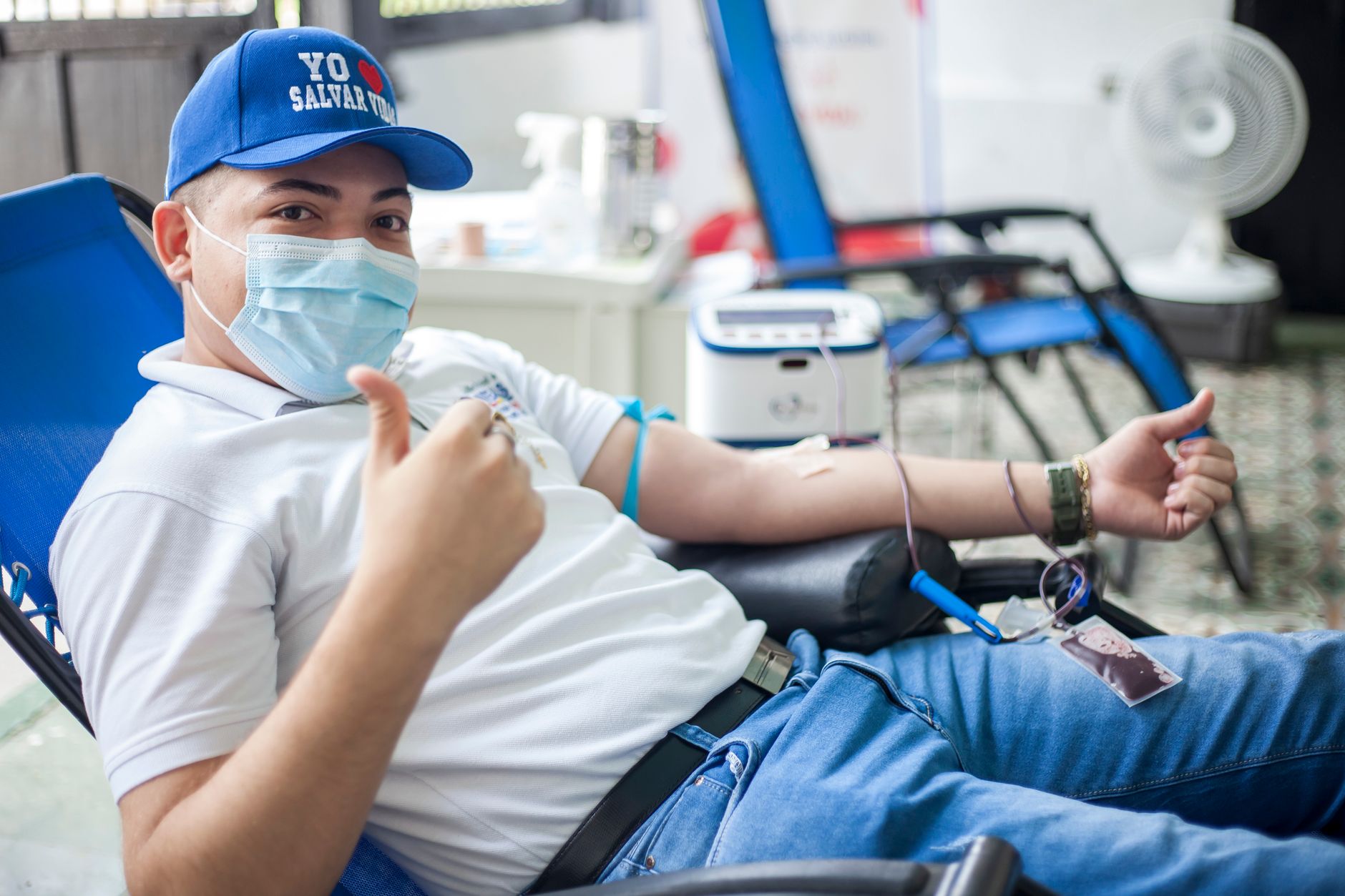
The World Health Organization reports that voluntary blood donations now supply over 85 % of the world’s need, a record high achieved through sustained public-education campaigns and safer collection practices. Yet the same data reveal that many low-income countries continue to experience severe shortages that can postpone life-saving surgeries and emergency interventions. Recent disruptions, such as the COVID-19 pandemic, logistical bottlenecks, and stringent donor deferral policies, demonstrate how fragile this progress can be. Understanding local shortages, eligibility criteria, and the broader health-system context is essential for patients who may need transfusion and for those who wish to donate.
What This Means
The data show that community-driven donation efforts are effective, yet the uneven distribution of resources keeps patients in resource-constrained settings at risk. When supply chains falter or donor eligibility is tightened, the already fragile balance can tip, causing postponed surgeries and increased morbidity. Healthcare providers in high-income regions may experience fewer shortages, but global interconnectedness means that a crisis in one area can ripple worldwide.
Expert Context
WHO’s June 12, 2026 news item confirms that voluntary donations now exceed 85 % of the world’s need, a milestone that underscores the importance of safe blood handling during outbreaks. The organization also released lines on filovirus diseases on June 17, 2026, highlighting the need for testing and pathogen-free blood supplies. In an open letter to G7, G20, and BRICS leaders dated June 15, 2026, WHO urged finalization of the pandemic agreement’s pathogen-access and benefit-sharing annex to strengthen global preparedness.
Trusted BrandDeals Analysis
From a Trusted BrandDeals perspective, the upward trend in offers a clear opportunity for healthcare partners to invest in community outreach and cold-chain logistics. By aligning with WHO’s guidelines, brands can support safer transfusion practices and strengthen public trust, key factors that drive long-term engagement and brand loyalty. The analysis shows that countries achieving high voluntary coverage report fewer donor-related complications, which translates into cost savings for hospitals and improved patient outcomes.
Benefits
Higher voluntary donation rates reduce the risk of transfusion-transmitted infections, lessen reliance on paid donors, and improve overall blood safety. They also foster community engagement and raise public awareness of the importance of blood donation. Countries that have reached 85 % voluntary coverage report fewer incidents of donor-related complications and a more stable supply for routine and emergency procedures.
Risks
Shortages in low-income settings can delay life-saving surgeries, especially for trauma, obstetric hemorrhage, and cancer treatment. Pandemic outbreaks can reduce donor turnout by up to 30 % in some regions, while stringent deferral rules, often based on travel history or medical conditions, may exclude otherwise healthy donors. Supply-chain disruptions, such as delays in transporting blood products, further widen gaps.
Who It May Affect
Patients awaiting elective or emergency transfusion in low-income countries are directly impacted by shortages. Healthcare workers in hospitals with limited blood reserves face increased workload and decision-making pressure. Potential donors in regions with high deferral rates may feel discouraged. Public health officials and policymakers must consider these groups when designing interventions.
What Experts Recommend
1. Strengthen community outreach to expand the donor pool.
2. Simplify eligibility criteria where safety permits to avoid unnecessary exclusions.
3. Invest in cold-chain logistics to reduce transport delays.
4. Foster international cooperation for pathogen-free blood, as highlighted in WHO’s open letter to G7, G20, and BRICS leaders.
These steps can help maintain the upward trend while safeguarding patient access.
When To Seek Medical Advice
If you are scheduled for a surgery that may require transfusion, discuss blood availability with your surgeon or anesthesiologist. Potential donors should consult their healthcare provider to confirm eligibility, especially if they have a history of travel, chronic illness, or recent vaccinations. Early communication can prevent last-minute shortages and ensure timely treatment.
Related on Trusted Brand Deals
Frequently asked questions
- 1. What factors determine whether a blood donation is considered voluntary?
- A voluntary donation is one made without financial compensation and without coercion. It typically occurs at community drives or mobile collection sites.
- 2. How can low-income countries improve their blood supply?
- Investing in donor recruitment campaigns, simplifying deferral policies, and enhancing laboratory testing infrastructure are key strategies. International support and knowledge exchange also play a role.
- 3. What should I do if I want to donate but have a recent travel history?
- Check your local blood bank’s guidelines. Some organizations allow donation after a safe waiting period, while others may defer donors for a longer time to mitigate infection risk.
Sources & references
Primary reporting and data used in this article. We cite original publishers to support fact-checking and editorial transparency.
You've finished this article
Keep exploring Health coverage or browse today's top deals.