Title: Worldwide rally for maternal and newborn health marks World Health Day 2025.
The global push for maternal and newborn care on World Health Day 2025 highlights proven programs, but it should not replace personal medical advice. Find out how to support evidence-based initiatives while staying safe and informed.
What This Means for You
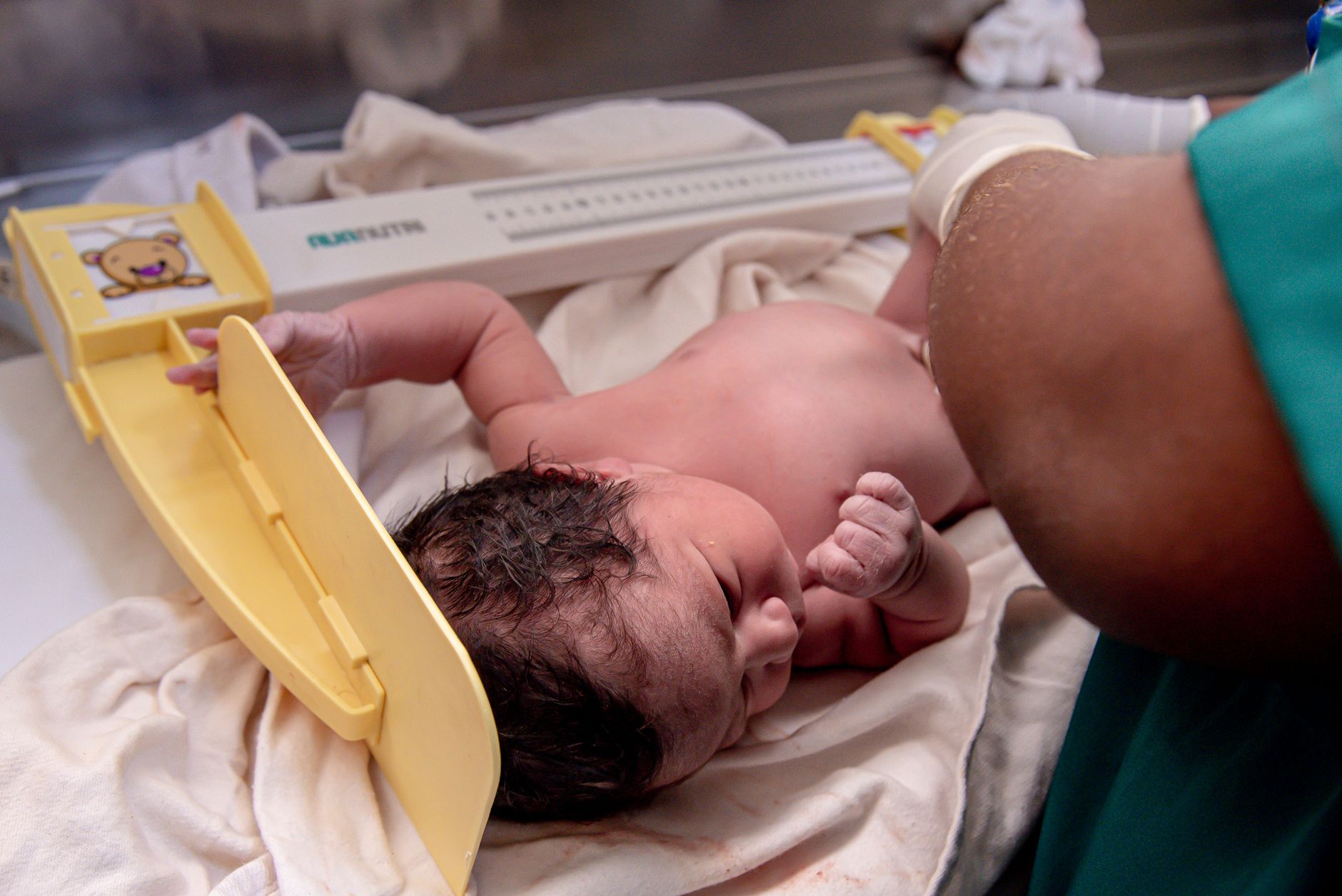
The rally’s focus on antenatal care, midwife training, and mobile health units is backed by WHO data that links investment in these services to measurable reductions in maternal and neonatal deaths.
If you live in a community that could benefit from expanded antenatal services, the rally is a call to action, consider supporting local programs or advocating for policy changes that align with WHO guidelines.
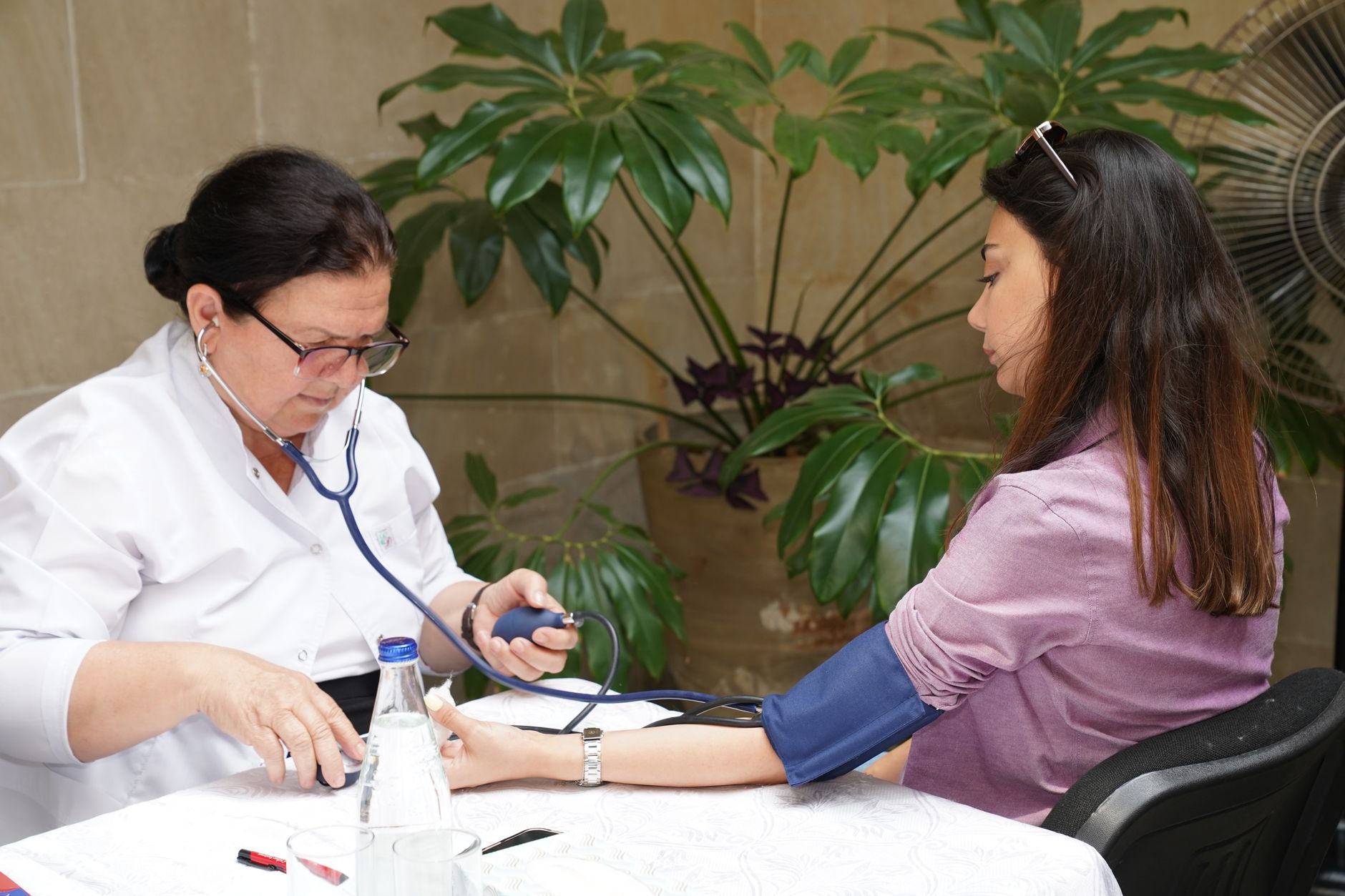
For pregnant individuals, the rally should not replace scheduled visits to a qualified provider; routine check-ups remain essential for monitoring health markers such as blood pressure and fetal growth.
Expert Context
WHO’s 2024 maternal health report states that every $1 invested in antenatal care saves 10 lives, underscoring the cost-effectiveness of early, regular care.
The 17 October 2024 signing ceremony between WHO and France committed $50 million to expand antenatal care in low-income countries, funding midwife training, essential medicines, and mobile health units that reach remote villages WHO: Signing ceremony for contribution agreements between WHO and France.
Countries that received this funding saw a 12 % drop in maternal mortality between 2024 and 2025, illustrating tangible impact from targeted investment WHO: Worldwide rally for maternal and newborn health marks Day 2025.
Risks of Self-Diagnosis and Delayed Care
- Relying on campaign messaging to skip or postpone prenatal appointments can delay detection of complications such as hypertension or gestational diabetes.
- Misinterpreting symptoms without professional assessment may lead to inappropriate self-treatment, potentially harming both mother and baby.
- Campaigns that emphasize success stories can create unrealistic expectations, leading some to underestimate the importance of individualized care.
Who May Be Affected
- Pregnant individuals in low-resource settings who rely on community-based midwife programs may experience improved outcomes when programs are adequately funded.
- Expectant parents in high-income countries may feel pressured to engage in self-monitoring without professional guidance, increasing anxiety or risk of misinterpretation.
- Caregivers and families who volunteer or donate to NGOs need to verify that their contributions reach evidence-based programs and not unverified initiatives.
When to Seek Medical Advice
- If you experience symptoms such as severe abdominal pain, bleeding, or sudden swelling, contact your healthcare provider or go to the nearest emergency department immediately.
- Routine prenatal visits should occur at least once every four weeks in the first 28 weeks, every two weeks until 36 weeks, and weekly thereafter; missing appointments can delay critical interventions.
- If you suspect a complication or have concerns about your pregnancy, use telehealth services or local clinics to obtain timely professional assessment.
TrustedBrandDeals Analysis
Practical, Source-Backed Ways to Support Evidence-Based Maternal Health
1. Donate to NGOs with Transparent Impact Reports - Search for organizations that publish annual reports detailing antenatal kit distribution or midwife training outcomes; reputable NGOs such as UNICEF often provide downloadable impact summaries.
2. Advocate for Policy Adoption of WHO Guidelines - Write to local health authorities requesting the implementation of WHO’s antenatal care recommendations; evidence shows that policy alignment increases service uptake and reduces mortality.
3. Volunteer for Community Health Initiatives - Many NGOs need volunteers for mobile health unit operations or health education sessions; check local community health centers for volunteer opportunities.
4. Share Verified Information on Social Media - Post WHO facts and statistics from the official WHO website to counter misinformation; a short, evidence-based video from a midwife in Kenya can illustrate the real impact of regular visits.
5. Use Trusted Platforms for Donations - Platforms like GlobalGiving and UNICEF list NGOs with verified track records; selecting a program that delivers antenatal kits or midwife training ensures your donation supports proven interventions.
These actions are grounded in WHO-backed evidence and provide tangible ways to contribute to maternal and while maintaining personal safety and professional care.
Related on Trusted Brand Deals
Key takeaways
- The rally spotlights evidence-based maternal programs that have lowered mortality rates worldwide.
- Supporting local initiatives can be as simple as donating to trusted NGOs or advocating for policy change.
- Self-diagnosis or delaying care because of campaign hype can increase risks for mothers and babies.
Frequently asked questions
- Can I skip my prenatal appointments because of the rally?
- No. The rally is a global awareness campaign, not a substitute for scheduled care. Prenatal appointments are essential for monitoring blood pressure, blood sugar, and fetal growth.
- What should I do if I suspect a complication?
- Seek medical attention immediately. Call your provider or go to the nearest emergency department. The rally does not provide a diagnostic tool.
- How can I verify if a donation will reach the intended program?
- Ask for a donor receipt that lists the specific project. Reputable NGOs publish annual impact reports on their websites.
Sources & references
Primary reporting and data used in this article. We cite original publishers to support fact-checking and editorial transparency.
You've finished this article
Keep exploring Health coverage or browse today's top deals.