WHO urges scale up of newborn screening to improve early detection and care of birth defects
Summary
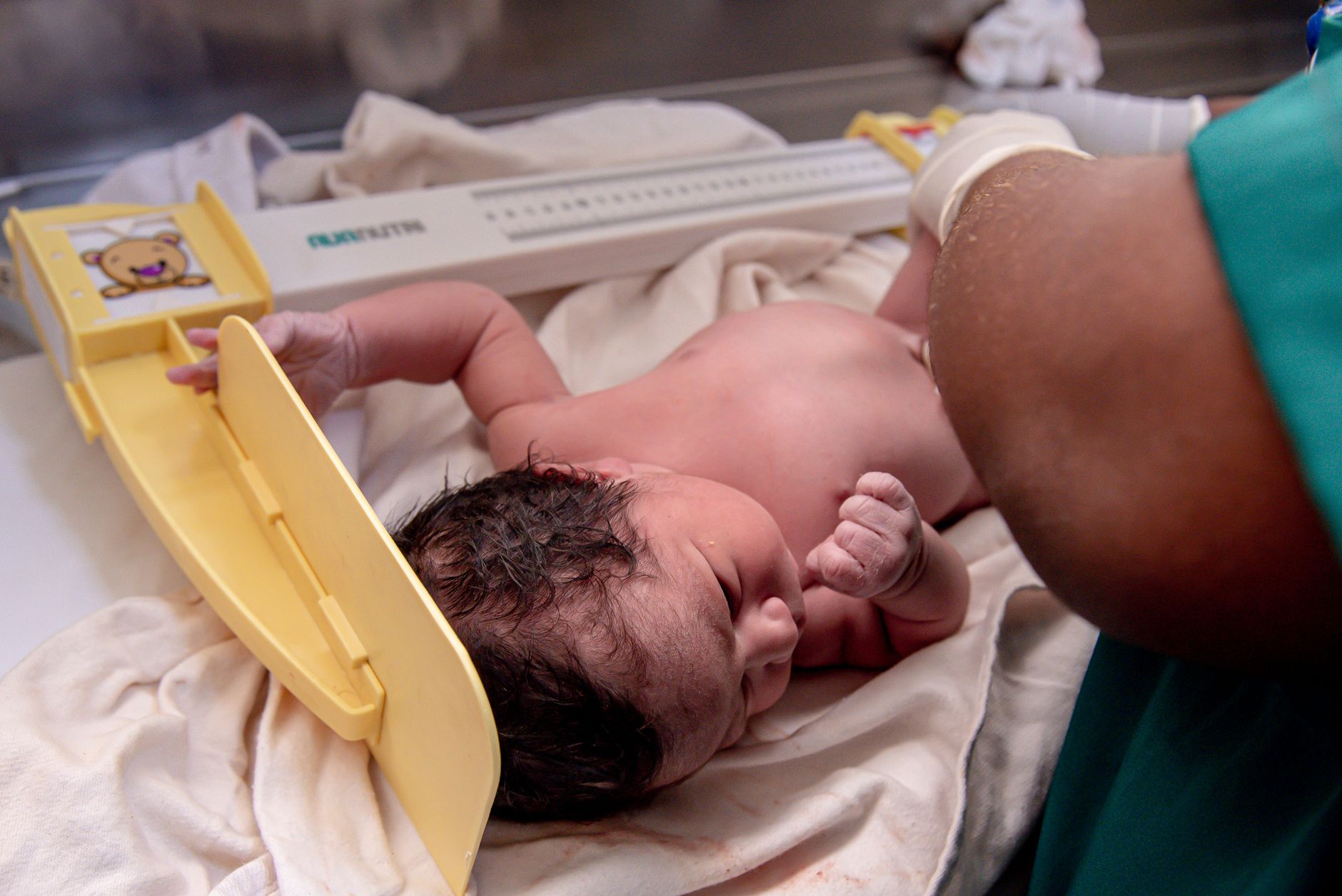
- The World Health Organization (WHO) has called for a global expansion of newborn screening programs.
- The aim is to identify congenital disorders, such as metabolic conditions, hearing loss, and cardiac defects, within the first weeks of life.
- Early detection can reduce lifelong treatment costs and improve developmental outcomes.
- WHO notes that while screening is low-risk, confirmatory testing and specialized follow-up care are unevenly available, especially in low-resource settings.
TrustedBrandDeals Analysis
Parents and caregivers can use this information to make informed decisions about newborn care, as the call expanded newborn screening highlights the importance of early detection.
- Ask your pediatrician whether your country’s program covers the most common conditions (e.g., phenylketonuria, congenital hypothyroidism, cystic fibrosis).
- Verify confirmatory pathways. If a screening test is positive, confirmatory testing (blood spot analysis, imaging, or genetic sequencing) should be available within a few weeks.
- Seek counseling. A positive result can cause anxiety; most hospitals offer genetic counseling or referrals to support groups.
- Advocate for resources. If your local clinic lacks follow-up services, contact your health department or a national newborn health organization to request expanded capacity.
- Keep records. Store screening and confirmatory test results in a secure location; they may be needed for future medical care or insurance claims.
These steps help ensure that screening leads to timely intervention rather than delayed care.
What This Means
- WHO’s statement signals a shift toward preventive care at the earliest stage of life.
- Detecting a defect before clinical signs appear allows families to start interventions when they are most effective.
- For example, a newborn with phenylketonuria who begins a low-phenylalanine diet within the first month can avoid intellectual disability; delayed treatment often leads to irreversible damage.
- However, the global rollout faces challenges.
- In many low-income countries, laboratory infrastructure and trained personnel are limited, meaning that a positive screening result may not lead to immediate .
- WHO encourages investment in laboratory capacity, workforce training, and health-information systems to support a comprehensive screening pathway.
Expert Context
- WHO’s recommendation builds on decades of evidence that reduces morbidity and mortality from treatable conditions.
- The organization stresses that programs must be paired with , timely referral to specialists, and psychosocial support for families.
- WHO also highlights the importance of clear communication and informed consent to avoid misunderstandings about the purpose and limits of screening.
Benefits
- Early intervention: Conditions such as congenital hypothyroidism and cystic fibrosis are managed more successfully when detected early.
- Cost savings: Treating complications later is often more expensive and less effective.
- Improved developmental outcomes: Early hearing and vision screening can prevent speech delays and learning difficulties.
Risks
- False positives may occur, causing stress for families.
- Over-diagnosis: Some conditions identified by screening may never manifest clinically, leading to unnecessary treatments.
- Limited access to confirmatory care: In regions without specialized genetics services, a positive screen may not translate into timely treatment.
Who It May Affect
- New parents worldwide, especially those in low-resource settings.
- Healthcare providers responsible for newborn care.
- Public health policymakers shaping national screening policies.
What Experts Recommend
- Strengthen laboratory networks to ensure timely .
- Provide training for nurses and midwives in interpreting screening results.
- Establish clear referral pathways to genetics specialists.
- Offer psychosocial support for families navigating abnormal results.
When To Seek Medical Advice
- Immediately if a screening test indicates a potential defect.
- If you notice developmental delays or physical signs that differ from the screening report.
- For ongoing monitoring of conditions that require lifelong management.
Related on Trusted Brand Deals
Key takeaways
- The World Health Organization (WHO) has called for a global expansion of newborn screening programs.
- The aim is to identify congenital disorders, such as metabolic conditions, hearing loss, and cardiac defects, within the first weeks of life.
- Early detection can reduce lifelong treatment costs and improve developmental outcomes.
- WHO notes that while screening is low-risk, confirmatory testing and specialized follow-up care are unevenly available, especially in low-resource settings.
- Ask your pediatrician whether your country’s program covers the most common conditions (e.g., phenylketonuria, congenital hypothyroidism, cystic fibrosis).
Frequently asked questions
- What types of screening tests can detect?
- Screening panels typically include metabolic disorders (e.g., phenylketonuria), endocrine disorders (e.g., congenital hypothyroidism), hearing loss, and certain cardiac defects.
- How accurate are screening tests?
- Most screening tests have high sensitivity, but no test is perfect. is required to rule out a diagnosis.
- Where can I find a pediatric geneticist if my baby tests positive?
- Check your local hospital’s genetics department or contact your national health service.
- What should I do if my baby receives a false-positive result?
- Seek counseling to understand the next steps, and will clarify whether a condition is present.
- Are screening programs covered by insurance?
- Coverage varies by country and insurer. In many places, screening is part of routine prenatal care and is covered at no additional cost to the family.
Sources & references
Primary reporting and data used in this article. We cite original publishers to support fact-checking and editorial transparency.
You've finished this article
Keep exploring Health coverage or browse today's top deals.