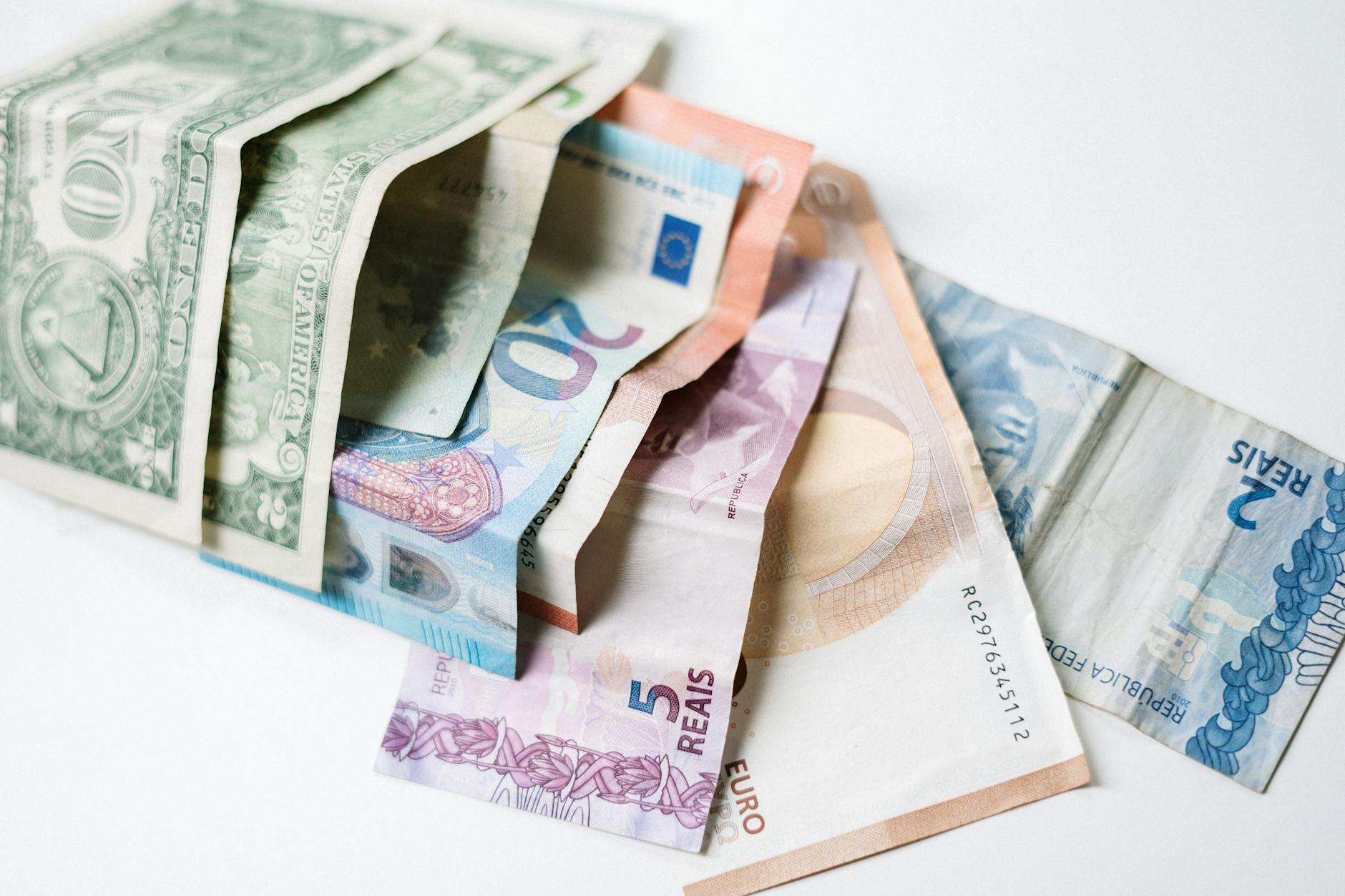

Oil prices are spiking again, sending shockwaves through grocery bills and travel budgets. Learn how to time your big purchases to keep your wallet from taking a hit.
The Decision You Need to Make Now
You’re staring at a grocery bill that’s already a little higher than last month. The reason? Oil prices are climbing again, and the ripple effect is real.
Oil volatility isn’t a distant headline; it’s the price you pay when you fill up or buy a carton of milk. If you’re planning a road trip or a big kitchen remodel, the timing of your purchase can mean the difference between a $50 and a $70 outlay.
The Bloomberg report for Aug. 11 notes that WTI crude has risen 1.5% to a new peak, a jump that has already nudged gasoline prices up by roughly 5, 7 cents per gallon in most U.S. regions. That small increase can add up when you’re filling the tank every week.
What the Numbers Show: Oil Volatility and the Grocery Basket
The oil market’s current wobble stems from a mix of supply constraints in the Middle East and a surge in U.S. crude output that is still catching up to demand. Bloomberg’s analysis points out that the price swing is the largest in six months.
For consumers, the most immediate impact is on the cost of processed foods. Oil is a key ingredient in many packaged items, so a 1.5% lift in crude can translate into a 0.5, 1% price bump across the grocery aisle.
Travel costs are similarly affected. A 5-cent rise per gallon means a 10-mile trip in a 25-mpg vehicle will cost an extra $0.20. Multiply that by the number of trips you make in a year, and the savings from timing your fuel purchase become clear.
Tradeoffs: Buy Now or Wait? How to Time Your Purchase
There are two main strategies:
1. Buy Now - If you’re looking at a large purchase that can be delayed, such as a new SUV or a holiday kitchen upgrade, wait until prices start to level off. Historical data shows that oil prices tend to peak within 3, 4 weeks of a sudden spike.
2. Refill Strategically - If you can’t pause your travel plans, fill up when the pump price dips below the moving average of the last 30 days. Many fuel apps track this trend and send alerts.
A practical rule of thumb: if the current price is more than 10% above the 30-day average, hold off on extra trips until it drops back closer to the average. This can save you $200-$300 over a year on a typical commuter.
What to Watch Next: Market Signals and Consumer Alerts
Keep an eye on the U.S. Energy Information Administration’s weekly outlook. They publish a forecast for gasoline prices that often lags behind market movements by one week.
Geopolitical developments can trigger sudden spikes. For instance, any escalation in the Strait of Hormuz tends to push prices up by 2, 3% overnight.
Retailers also adjust their pricing in real time. A quick look at the consumer deals page can reveal when grocery chains roll out price-cut promotions that offset oil-driven increases.
Bottom Line: Actionable Steps for Your Wallet
1. Track the pump - Use a fuel-price app to monitor daily changes.
2. Plan big buys - Postpone non-essential purchases until the market stabilizes.
3. Shop smart - Check the consumer deals page for grocery discounts.
4. Stay informed - Follow the international news desk for updates on geopolitical events that could affect oil.
By acting on these steps now, you can keep your grocery bill and travel expenses from spiraling in the coming months.
Related updates
Frequently asked questions
- How does oil price volatility affect grocery bills?
- Oil is a key ingredient in many processed foods. When crude prices rise, manufacturers often pass the cost onto consumers, leading to higher prices for items like canned goods, snack foods, and even fresh produce that requires refrigeration.
- When is the best time to refuel to avoid price spikes?
- The best time is when the current fuel price is more than 10% above the 30-day average. Monitoring this metric with a fuel-price app can help you refuel at a lower cost.
Sources & references
Primary reporting and data used in this article. We cite original publishers to support fact-checking and editorial transparency.
You've finished this article
Keep exploring International News coverage or browse today's top deals.