
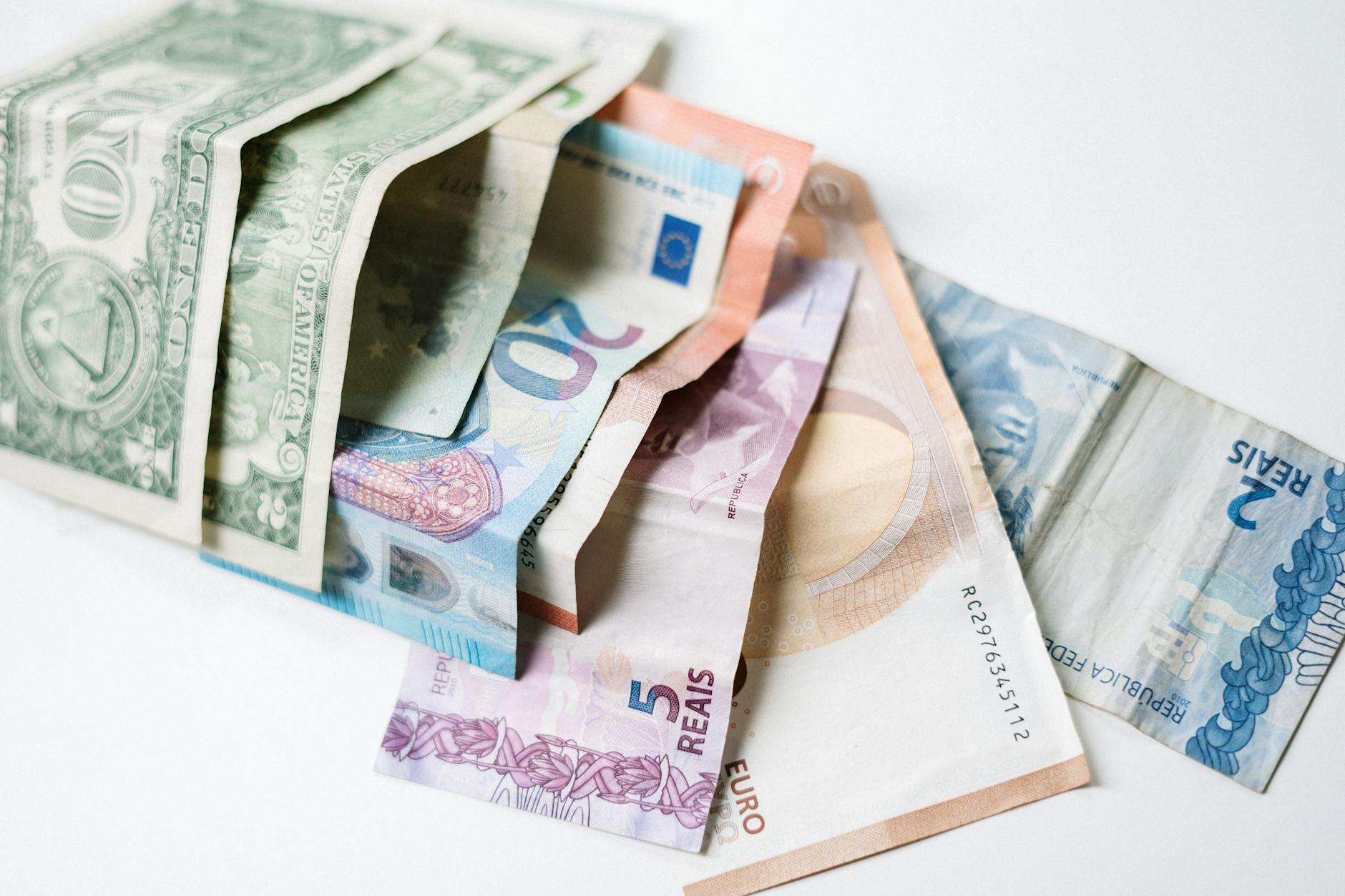
Title: World Cup 2026 Travel Costs: How Policy Changes Hit Fans and Consumers
The 2026 World Cup is coming, and shifting policies under the Trump administration are driving up travel costs for fans heading to matches across the United States, Canada, and Mexico. Higher visa fees, fluctuating exchange rates, and new security rules are reshaping what it actually costs to follow the tournament.
World Cup 2026 travel costs refer to the total expenses fans incur when attending matches, including airfare, lodging, local transport, match tickets, visas, and daily spending. These costs are influenced by tournament location, host-country policies, currency fluctuations, and global demand for tickets and accommodations.
World Cup 2026 travel costs: What’s behind the rise?
Recent policy shifts have added layers of expense that fans didn’t face in previous tournaments. The U.S. State Department raised certain non-immigrant visa fees by up to 20 % in early 2024, directly affecting international supporters who need a B-2 tourist visa to attend matches in American cities. At the same time, updated ESTA requirements now require additional biometric screening, which can lengthen processing times and push travelers toward costlier expedited services.
Airfare has also reacted to these changes. According to a France 24 analysis, airlines operating transatlantic routes have increased average fares by roughly 12 % since the policy announcements, citing higher operational security costs and uncertain demand patterns. A separate France 24 video report noted that hotel occupancy rates in host cities like Houston are already below projections, prompting some properties to raise nightly rates to compensate for expected shortfalls.
These factors combine to push the baseline World Cup 2026 travel costs higher than the 2018 Russia tournament, where a fan from Europe could expect to spend roughly $2,500 for a week-long trip. Early estimates for 2026 suggest a similar trip could exceed $3,000, even before ticket purchases are factored in.
Rising World Cup ticket prices and fan travel expenses
Ticket pricing for the expanded 48-team format has followed a tiered model that rewards early buyers but penalizes latecomers. FIFA’s official price bands show category-1 matches ranging from $105 to $210, while premium fixtures can climb above $300. Resale markets, meanwhile, are already showing listings double the face value for high-profile games, a trend echoed in the France 24 piece on Houston fans deterred by soaring ticket prices.
When fans bundle these ticket prices with fan travel expenses, such as ground transport to stadiums, meals, and souvenir spending, the overall outlay per match can easily surpass $400 for international visitors. Savvy shoppers often turn to deal aggregators to mitigate these costs; checking the consumer deals page for discounted travel packages or last-minute hotel offers can shave hundreds off a budget.
Currency volatility adds another layer. The U.S. dollar’s strength against the euro and Mexican peso has made travel relatively cheaper for Europeans but more expensive for visitors from South America and Asia, further skewing the demographic makeup of attending crowds.
Broader effects on international sports events and consumer impact sports
The rising cost structure doesn’t just affect individual fans; it ripples through the broader ecosystem of international sports events. Host cities anticipate lower-than-expected spending in ancillary sectors like restaurants, retail, and transportation when a significant share of potential attendees is priced out. This dynamic can dampen the projected economic windfall that local governments often cite when bidding for mega-events.
From a consumer impact sports perspective, higher barriers to attendance may shift engagement toward streaming platforms and local viewing parties, altering how brands sponsor and advertise around the tournament. Analysts at the international news desk note that similar patterns emerged during the 2022 Qatar World Cup, where expensive travel packages led to a surge in domestic watch parties and a corresponding uptick in retail sales of team merchandise in home markets.
Global news impact also plays a role. Media coverage of visa delays and price spikes can deter casual fans, reinforcing a perception that the tournament is becoming an elite affair. That perception, in turn, influences consumer prices for related goods, everything from official jerseys to travel insurance, as suppliers adjust to a smaller, higher-spending audience.
Related updates
Frequently asked questions
- How much should I budget for a typical World Cup 2026 match day?
- A reasonable baseline includes match ticket ($150 - $300), round-trip airfare ($600 - $900), two nights of lodging ($200 - $350), local transport and meals ($150 - $250), and visa/ESTA fees ($30 - $100). Total ranges from $1,130 to $1,950 per match day, depending on origin and timing of purchases.
- Are there ways to lower fan travel expenses without missing the action?
- Yes. Booking flights and hotels at least three months early often yields 10-20 % savings. Consider staying in neighboring cities with lower rates and using rail or bus links to stadiums. Monitoring the consumer deals section for flash sales on travel bundles can also cut costs.
- How do these cost changes affect the overall international sports events landscape?
- Higher attendance costs can reduce stadium occupancy, prompting host cities to rely more on broadcasting revenue and local sponsorships. This shift may encourage future organizers to spread matches across more venues to keep ticket prices accessible, altering the traditional concentration of games in a few metropolitan hubs.
Sources & references
Primary reporting and data used in this article. We cite original publishers to support fact-checking and editorial transparency.
You've finished this article
Keep exploring International News coverage or browse today's top deals.