# How Safe Blood Access Is Saving Lives in Low-Income Countries
The Critical Need for Blood Donation Access Worldwide
Every two seconds, a person somewhere needs a blood transfusion. Even though voluntary donations now account for 85% of the global supply, millions in remote villages still perish from treatable conditions. The culprit is often a simple lack of refrigeration or trained medical staff. This inequality is one of healthcare's most solvable humanitarian crises; mobile units and community education can literally mean the difference between life and death.
Blood donation access refers to the availability and reliability of safe blood products for medical use, particularly in underserved regions where storage infrastructure and donor recruitment programs remain inadequate despite global improvements in voluntary blood donations.
Global Progress in Voluntary Blood Donations Reaches Milestone
The World Health Organization reports that voluntary blood donations now exceed 85% worldwide. This marks significant progress in blood safety over the last decade. Countries throughout Africa, Asia, and Latin America have built national blood services that collect, test, and distribute products according to international standards. By moving away from paid donations toward voluntary ones, these regions have reduced the risk of infectious disease transmission and built more sustainable supply chains.
However, these numbers often hide deep regional disparities. While urban centers in middle-income nations usually feature modern facilities and advanced screening, rural outposts struggle to find enough electricity to run basic blood storage refrigerators. The gap becomes life-threatening during emergency obstetric care—hemorrhage remains a leading cause of maternal mortality in areas where blood donation access falters.
Blood Safety Improvements Face Infrastructure Barriers
Maintaining modern blood safety requires sterile collection protocols, rigorous testing for HIV, hepatitis, and syphilis, and strict temperature-controlled storage. While donor recruitment programs often thrive in capital cities, rural healthcare access is frequently crippled by broken cold chains and expired supplies. A 2026 WHO report highlights that 25% of facilities in sub-Saharan Africa lack the consistent power needed for blood bank refrigeration.
These blood safety improvements rely heavily on technical support and consistent funding. International partnerships have helped equip major hospitals with laboratory testing capabilities, but supply chain hurdles mean that safety-verified blood often cannot reach remote clinics before its 35-day shelf life expires. Medical research is currently working on heat-stable blood products, though we are still years away from widespread implementation.
Rural Healthcare Access Solutions Through Mobile Innovation
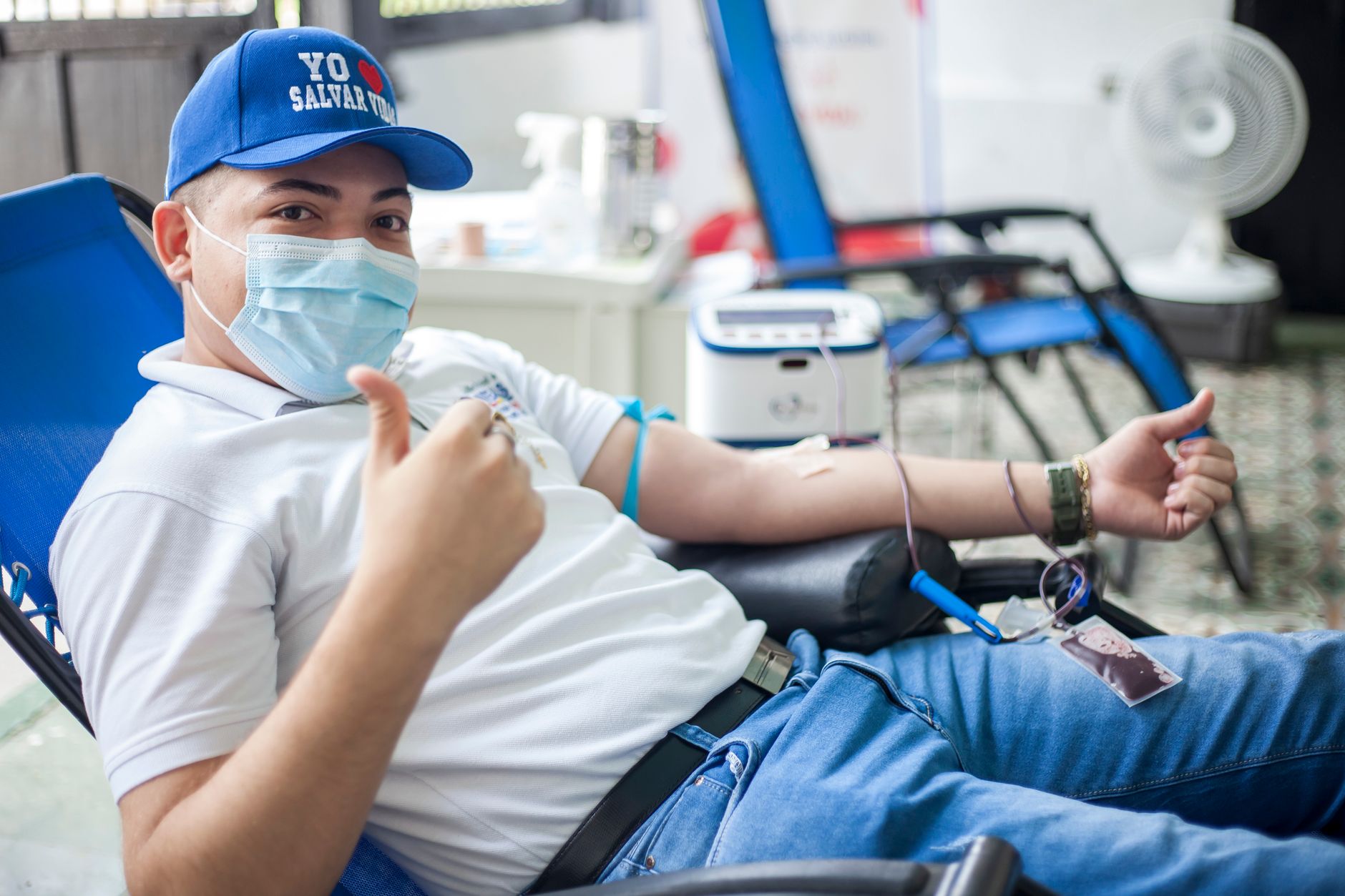
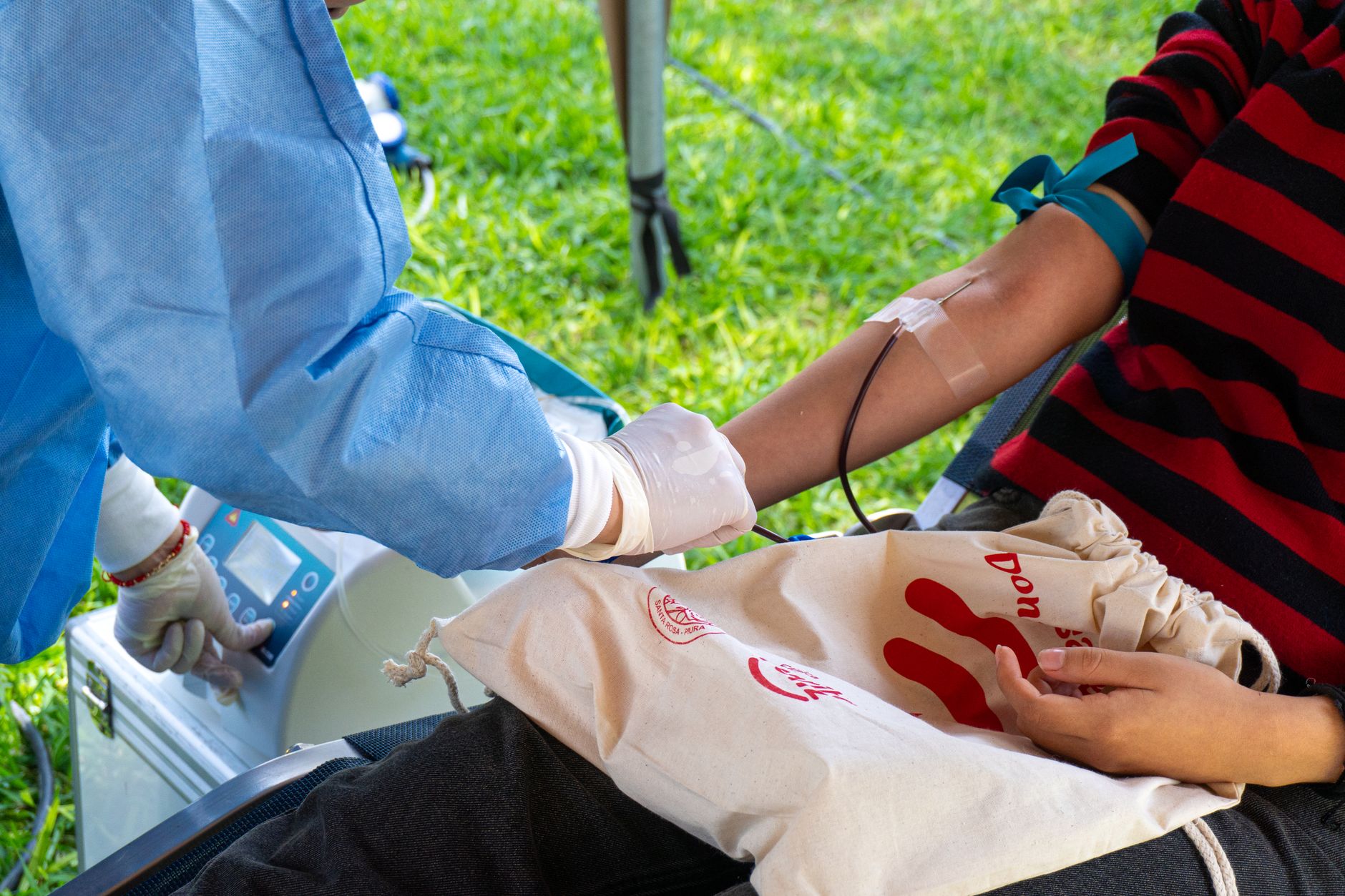
Mobile blood donation units offer the most promising bridge for rural healthcare access. These converted vehicles follow scheduled routes to visit villages, bringing collection equipment and trained technicians directly to potential donors. In countries like Ghana and Rwanda, deployed fleets have increased voluntary blood donations by 40% in targeted regions.
Community education is just as vital. We found that local leaders trained in donor recruitment programs are better at navigating the cultural barriers that prevent participation. In some areas, religious misconceptions about blood donation persist, while in others, the primary hurdle is simply the logistics of transportation. Successful programs tackle these specific issues through workplace drives, school presentations, and peer-to-peer outreach to normalize regular giving.
This dual approach works because it addresses both supply and demand at once. Mobile units solve the convenience problem, while education builds the long-term community capacity needed for sustainable donations.
What Research Reveals About Blood Donation Access Limitations
Medical research consistently shows that blood donation access disparities are caused by infrastructure gaps rather than a lack of willing donors. Studies indicate that 90% of adults would consider donating if services were available locally. However, research does not prove that mobile units alone can resolve systemic healthcare underfunding.
Current studies suggest several important limitations: mobile units require significant ongoing investment, the effects of community education may fade without continuous reinforcement, and blood safety improvements depend on laboratory capacity that extends far beyond the collection sites. Health news explained simply: progress is real but incomplete, requiring sustained political will and international cooperation.
Individual results vary based on local conditions, and readers should consult healthcare professionals regarding regional donation opportunities and safety protocols.
Frequently Asked Questions About Blood Donation Access
How do mobile blood donation units actually work?
Mobile units typically operate on monthly schedules announced through community radio, schools, and local leaders. Each vehicle carries collection chairs, donor screening materials, and portable refrigeration capable of maintaining safe temperatures for up to 48 hours. Trained staff collect whole blood, which undergoes initial testing before transport to regional laboratories for comprehensive screening. Most units can process 50-100 donations per day depending on staffing and logistics.
What prevents rural clinics from maintaining adequate blood supplies?
Multiple factors compound rural blood supply challenges. Unreliable electricity grids cause frequent refrigerator failures, leading to blood waste when storage temperatures rise. Limited transportation networks mean even successful collections may expire before reaching patients. Additionally, rural healthcare access suffers from insufficient trained personnel—phlebotomists, laboratory technicians, and inventory managers—all essential for maintaining safe blood programs.
Can individual donations really impact maternal mortality rates?
Medical research links improved blood availability directly to reduced maternal deaths from postpartum hemorrhage, which causes approximately 70,000 deaths annually. When clinics maintain adequate blood stocks and can access emergency supplies within hours rather than days, survival rates for complications increase dramatically. However, research does not establish causation between individual donations and specific outcome improvements, as maternal mortality depends on comprehensive emergency care systems beyond blood availability alone.
For more health news explained, visit our health articles section. Learn about fitness-related wellness topics in our fitness deals coverage. Always review our health disclaimer for important safety information. Additional regional health concerns are detailed in our reporting on the Ebola Outbreak in East Africa.
Sources & references
Primary reporting and data used in this article. We cite original publishers to support fact-checking and editorial transparency.
You've finished this article
Keep exploring Health coverage or browse today's top deals.