# Safe Blood Supply Improves as Voluntary Donations Exceed 85 %, but Many People Still Lack Access
Introduction
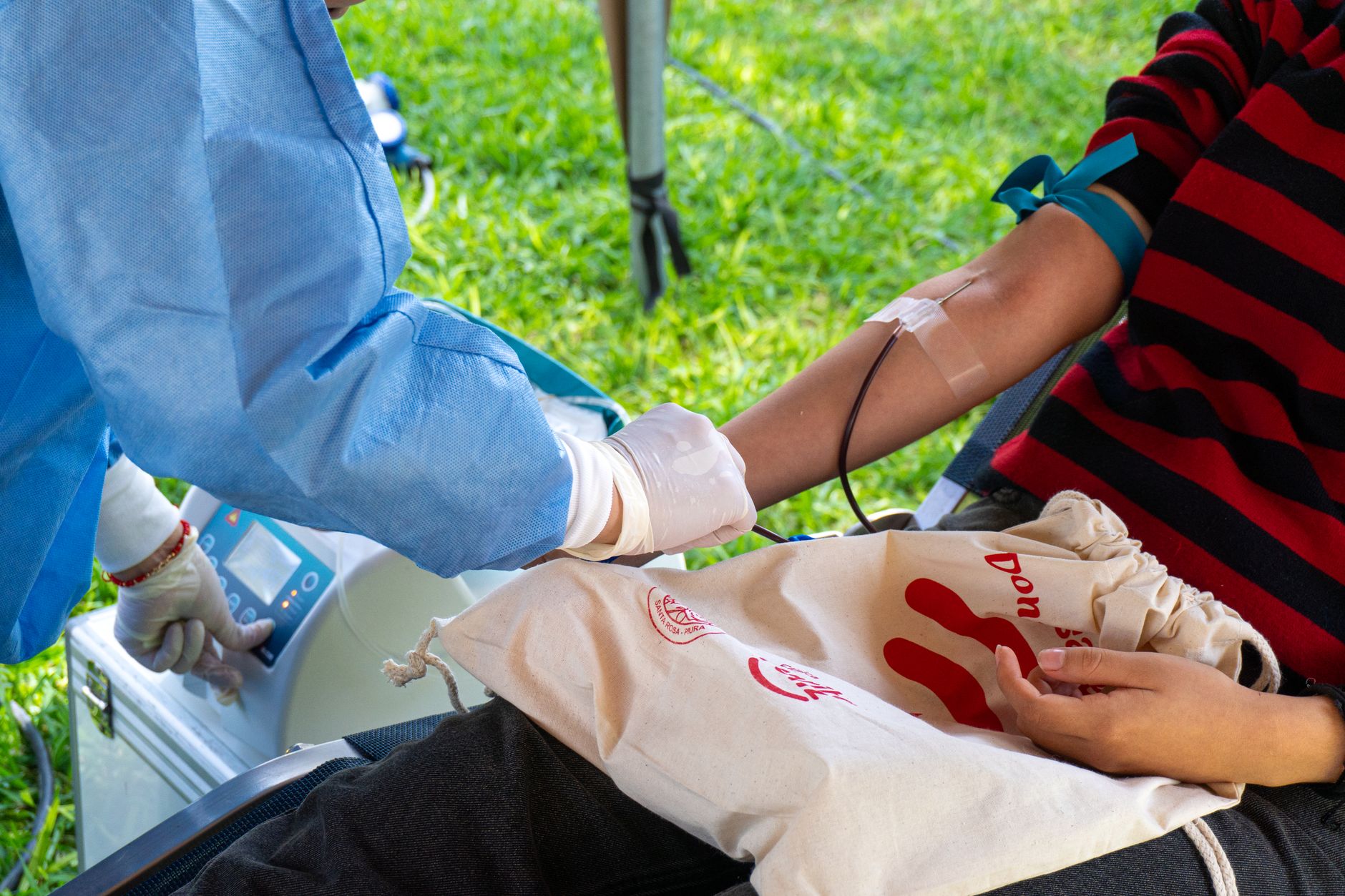
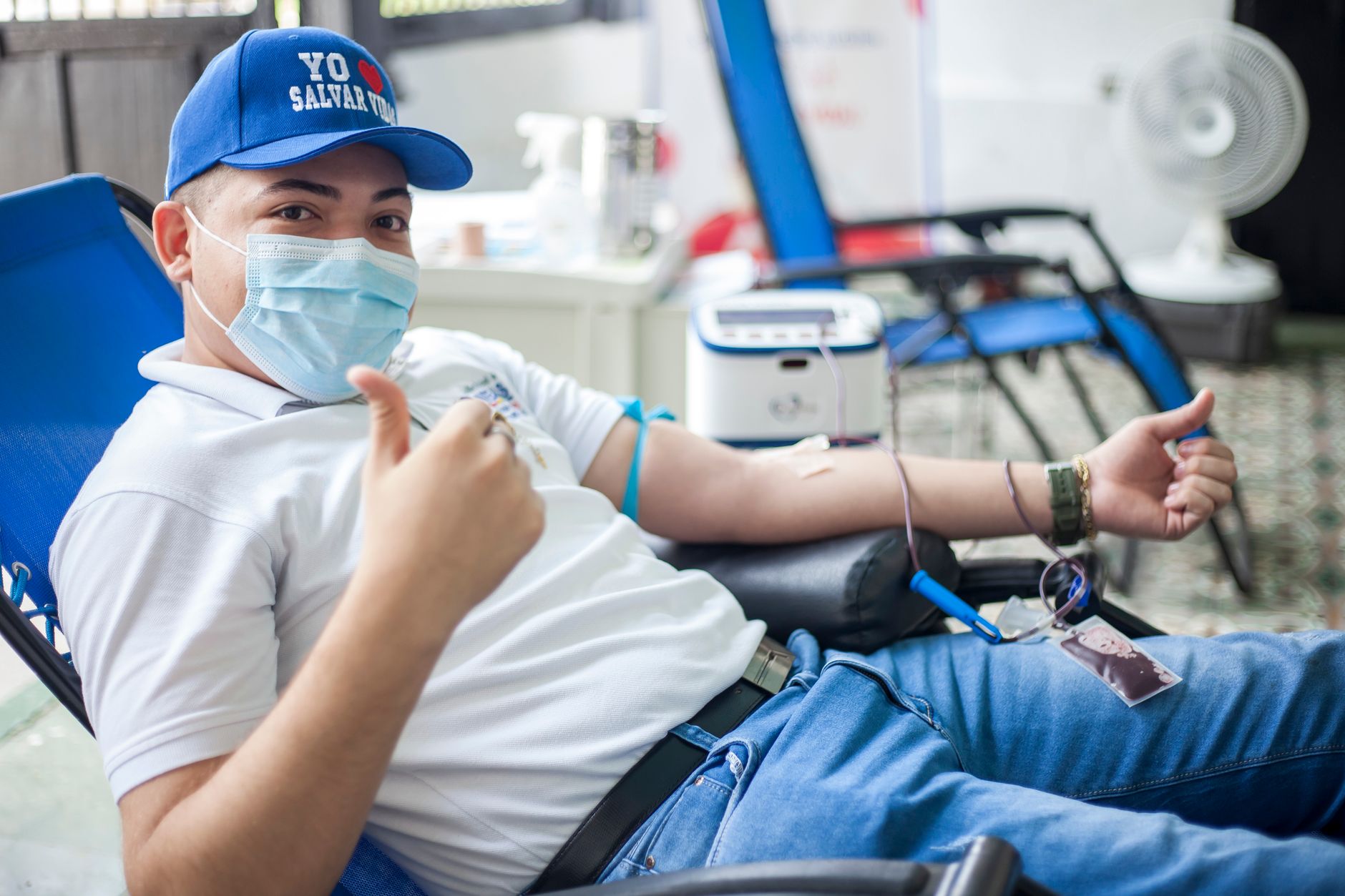
A fresh World Health Organization (WHO) briefing shows that voluntary blood donations now make up more than 85 % of the global supply—a milestone that lifts the overall safety of transfusions. The same data underline a stark reality: millions of patients in low‑resource settings still cannot secure blood when they need it. Grasping why progress stalls in certain regions and how individuals can reinforce a resilient supply chain matters to anyone following health news.
Why Voluntary Donations Matter
Reduced risk of transfusion‑transmitted infections
Unpaid, repeat donors are screened more consistently than replacement or paid donors. The WHO links voluntary programs to a 30 % drop in infection markers (hepatitis B, HIV, syphilis) since the 2015 voluntary‑donation target was introduced.
Better inventory management
Regular donors give blood banks a predictable supply curve, enabling more efficient allocation of rare blood types and cutting waste. High‑turnover centers now see about 5 % of units expire before use, down from previous years.
Community trust
Volunteer drives that involve schools, workplaces, and faith groups raise the public’s confidence in the safety of the blood supply, encouraging even more people to give.
Persistent Gaps: What the Data Don’t Show
The headline numbers are encouraging, yet the WHO report flags several blind spots:
* Geographic inequity – Rural clinics in low‑income nations often lack refrigeration and trained staff, limiting collection and storage.
* Data quality – Many national blood services still rely on paper logs, making it hard to verify true donation rates.
* Donor retention – In several high‑income countries, first‑time donors rarely become repeat donors, threatening long‑term stability.
A 2024 study of East‑African blood services found only 42 % of hospitals could meet emergency transfusion needs within two hours of a request. The WHO warns that “high voluntary‑donation percentages do not automatically translate into universal access.”
Practical Takeaways for Readers
1. Donate locally – One unit can save multiple lives. Check your nearest center’s schedule via the health articles hub.
2. Spread accurate information – Share WHO‑verified facts on social media; myths about blood safety still deter potential donors.
3. Support infrastructure – Contributions to charities that fund refrigeration units and staff training in underserved regions have a measurable impact.
4. Stay updated – Follow trends such as mobile donation units on our fitness deals page, where occasional promotions help fund blood‑drive events.
Limitations of Current Research
The WHO’s conclusions rely on data submitted by national ministries, each with its own reporting standards. The report lacks age‑ and gender‑specific donation rates, obscuring demographic disparities. Moreover, the link between voluntary‑donation percentages and patient outcomes is observational—not causal—since transport infrastructure and health‑system financing also influence access. Treat the statistics as a snapshot, not a definitive forecast.
Expert Insights
Dr. Lina Patel, transfusion‑medicine specialist at the Global Blood Safety Consortium, explains:
> “Voluntary donation is a cornerstone of safety, but without parallel investments in collection logistics, the benefit plateaus. We need coordinated policy—government incentives for mobile units, public‑private partnerships for cold‑chain upgrades, and community education that tackles cultural myths about blood loss.”
Conclusion
Crossing the 85 % threshold for voluntary blood donations is a major step toward a safer global transfusion system, but safety alone does not guarantee access. Closing the gap will require sustained community engagement, targeted infrastructure funding, and transparent data collection. By donating, advocating, and staying informed, each of us can help turn the promise of a safe blood supply into a universal reality.
Sources: WHO
Related on Trusted Brand Deals
Frequently asked questions
- What defines a “voluntary” blood donation?
- A voluntary donation is given freely, without financial compensation, and is not linked to a specific recipient. The WHO classifies donations from regular community donors as voluntary, distinguishing them from replacement or paid donations.
- How can I verify that my donation will be used safely?
- Accredited blood centers follow WHO‑mandated screening for infectious diseases and blood typing. Look for certification logos such as ISO 15189 on the facility’s website or ask staff to show the latest audit report.
- Why do some countries still rely on paid or replacement donors?
- Economic constraints, limited public awareness, and cultural beliefs can hinder the growth of a voluntary donor pool. In emergencies, the demand may outpace voluntary capacity, prompting hospitals to accept paid or family‑directed donations as a stop‑gap measure.
Sources & references
Primary reporting and data used in this article. We cite original publishers to support fact-checking and editorial transparency.
You've finished this article
Keep exploring Health coverage or browse today's top deals.