# Safe Blood Supply Improves as Voluntary Donations Exceed 85 %, but Many People Still Lack Access
Introduction
The latest World Health Organization (WHO) bulletin confirms that voluntary, non‑remunerated donations now represent more than 85 % of the global blood supply. This milestone boosts transfusion safety worldwide. Yet the same data expose a troubling reality: millions of patients in low‑ and middle‑income countries still cannot access the blood they need. For policymakers, clinicians, and anyone who depends on a dependable blood supply, understanding the causes of these gaps is essential.
Analysis and Practical Takeaways
Why Voluntary Giving Matters
Voluntary donors are statistically less likely to carry transfusion‑transmissible infections. WHO reports a 30 % drop in hepatitis B and C prevalence among blood collected exclusively from voluntary sources. Fewer infections mean lower post‑transfusion complications and reduced long‑term costs for health systems.
Regional Success Stories
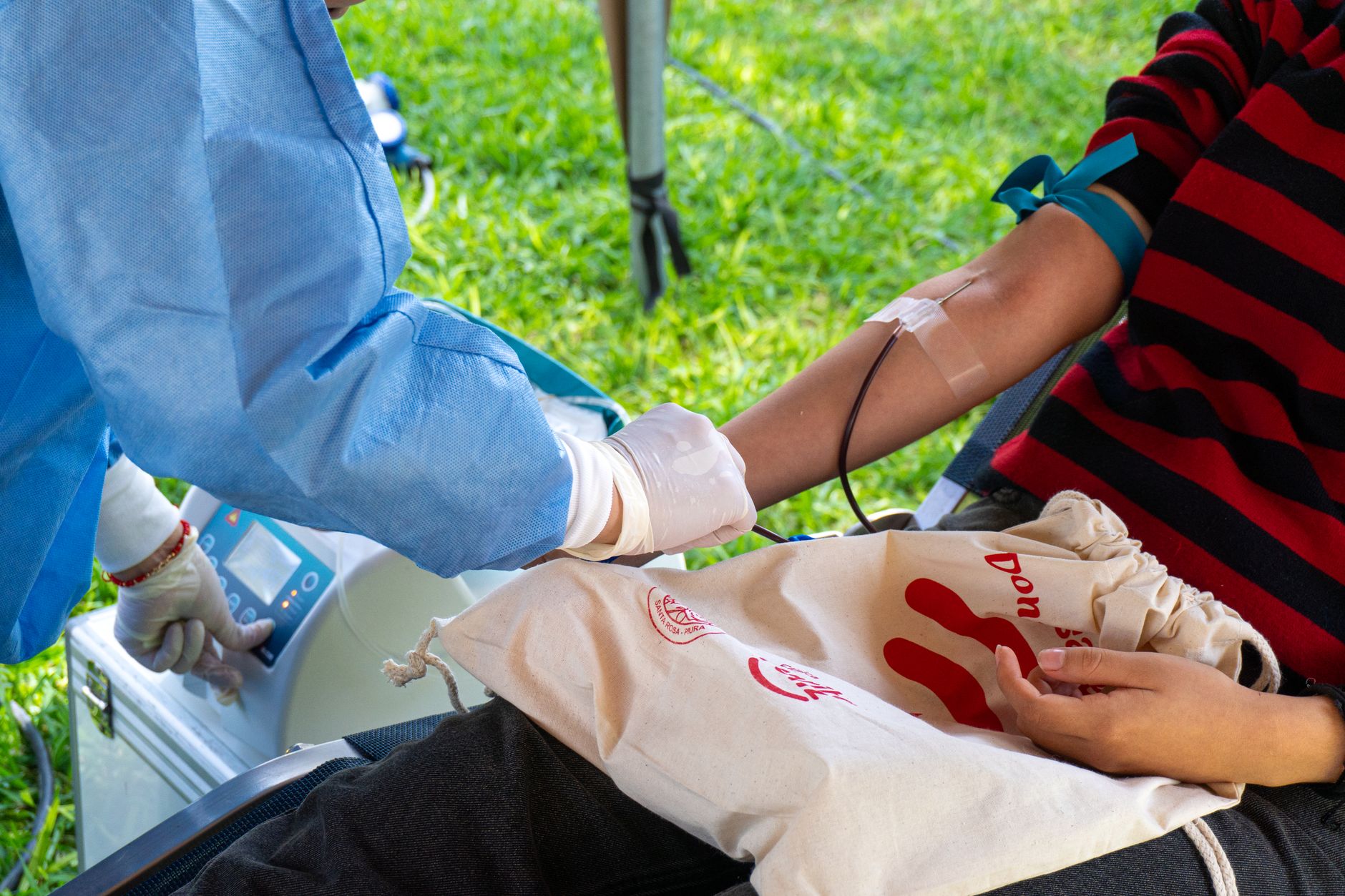
- Rwanda: In 2023, community‑based mobile collection units were rolled out, lifting the voluntary share from 62 % to 88 % in two years. Pairing drives with local health fairs boosted public trust and awareness.
- Chile: A national digital registry now matches donors with hospitals in real time, shortening the collection‑to‑transfusion window by 18 %. The system also offers an app‑based pre‑screening check, ensuring donor eligibility.
These examples demonstrate that targeted outreach and technology can rapidly elevate donation rates, even in resource‑constrained settings.
Persistent Gaps
Despite global progress, inequities remain sharp. In rural Nigeria and Bangladesh, the nearest blood bank can be more than 150 km away, and transport infrastructure is unreliable. Even when blood is present, shortages of screening kits and trained personnel undermine safety. A 2024 Lancet Global Health study linked these issues to three recurring factors:
1. Infrastructure deficits – limited cold‑chain capacity and unreliable power supply.
2. Workforce shortages – few certified laboratory technologists to perform mandatory testing.
3. Cultural barriers – myths about blood loss and distrust of medical institutions deter potential donors.
What Consumers Can Do
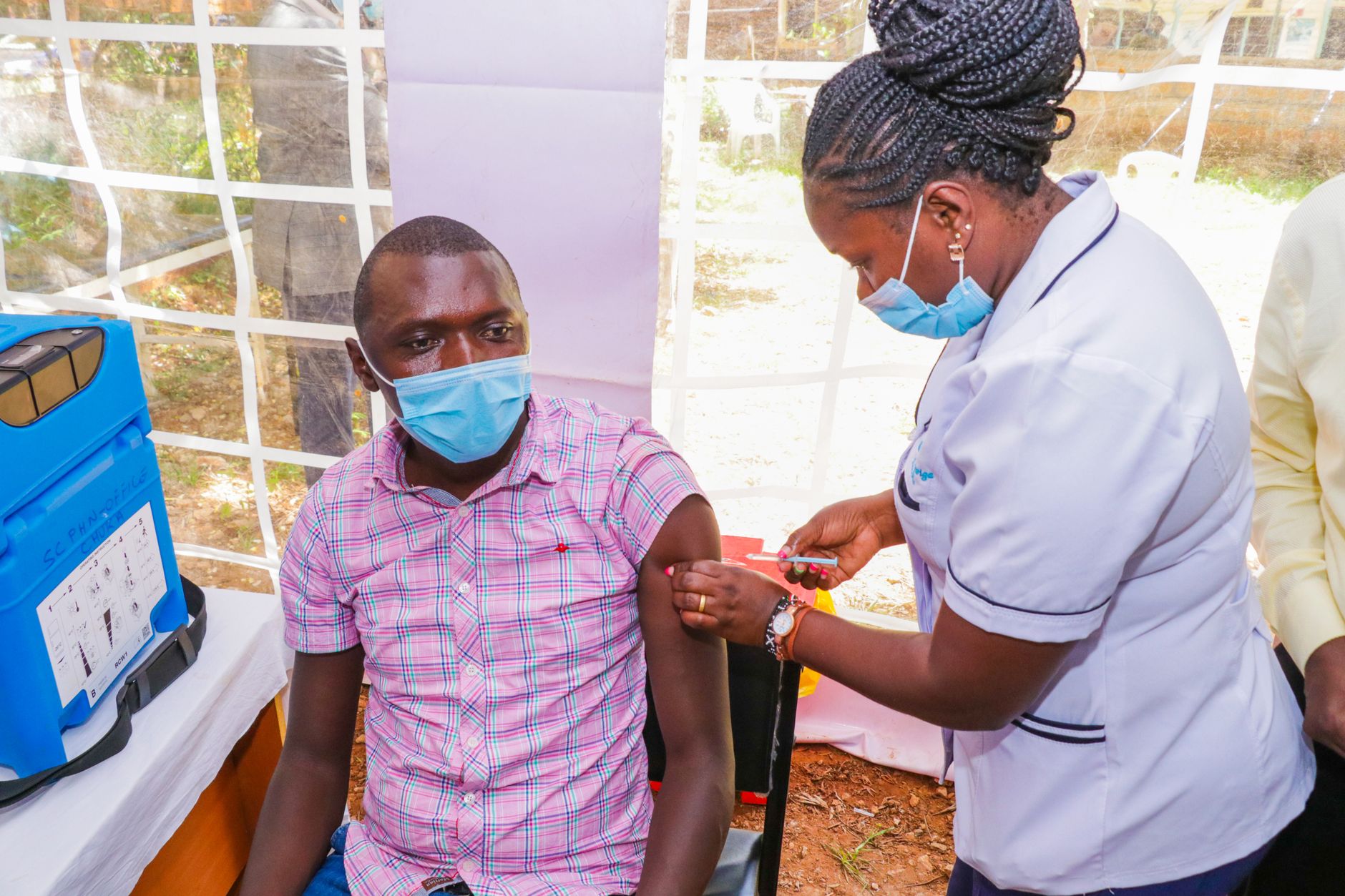
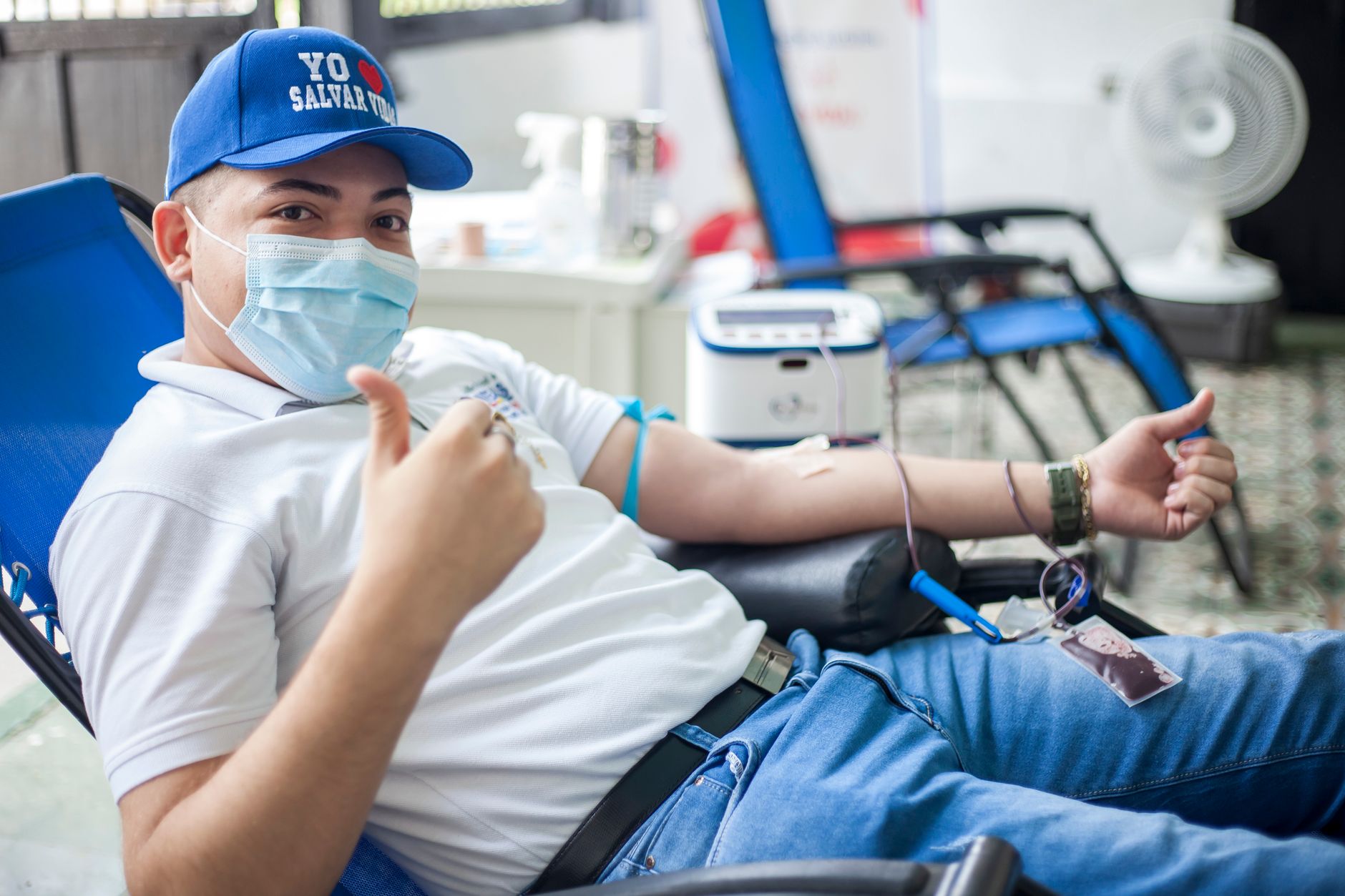
- Donate locally: One unit can save up to three lives. Check community centers or hospital websites for upcoming drives.
- Spread accurate information: Counter myths by sharing WHO‑approved facts on social media.
- Support policy advocacy: Encourage elected officials to fund mobile collection units and lab training programs.
For readers interested in related wellness topics, explore our fitness deals or browse other health articles for practical health tips.
What the Research Does Not Prove
The WHO data confirm a rise in voluntary donations, but several limitations temper the conclusions:
- Causality vs. correlation: The report does not isolate which specific interventions (e.g., mobile units, digital registries) directly caused the increase.
- Data completeness: Some low‑income nations still report incomplete blood‑bank statistics, potentially underestimating gaps.
- Long‑term safety: The 92 % safety rate reflects current screening protocols, but emerging pathogens (e.g., novel arboviruses) may not yet be covered by standard tests.
Therefore, the headline “safe blood supply improves” should be read as a positive trend with notable blind spots. Health professionals continue to recommend that patients discuss transfusion options with their clinicians, especially when traveling to regions with limited blood services.
Conclusion
The global shift toward voluntary blood donation is a landmark achievement that enhances safety and reliability. Yet the persistent shortfall in supply for millions of patients—especially in sub‑Saharan Africa and South‑Asia—underscores the need for continued investment in infrastructure, workforce development, and community engagement. By supporting mobile collection units, strengthening cold‑chain logistics, and fostering transparent donor education, stakeholders can bridge the remaining gaps and ensure that safe blood is truly available for all who need it.
Related on Trusted Brand Deals
Frequently asked questions
- How reliable is the 85 % voluntary donation figure?
- The WHO aggregates data from 194 member states, but reporting standards vary. The 85 % figure is considered a conservative estimate; some high‑performing countries exceed 90 %, while others remain below 60 %.
- Does a higher voluntary donation rate guarantee safer blood?
- Voluntary donors are less likely to have high‑risk behaviors, which reduces infection risk. However, safety also depends on screening quality, storage conditions, and staff training. A donation can be voluntary yet unsafe if the blood bank lacks proper testing equipment.
- What steps can low‑access regions take to improve supply?
- Key actions include:
Sources & references
Primary reporting and data used in this article. We cite original publishers to support fact-checking and editorial transparency.
You've finished this article
Keep exploring Health coverage or browse today's top deals.