
Iran’s New Frontiers: How U.S. Strikes Ripple Through Oil, Travel and Everyday Prices
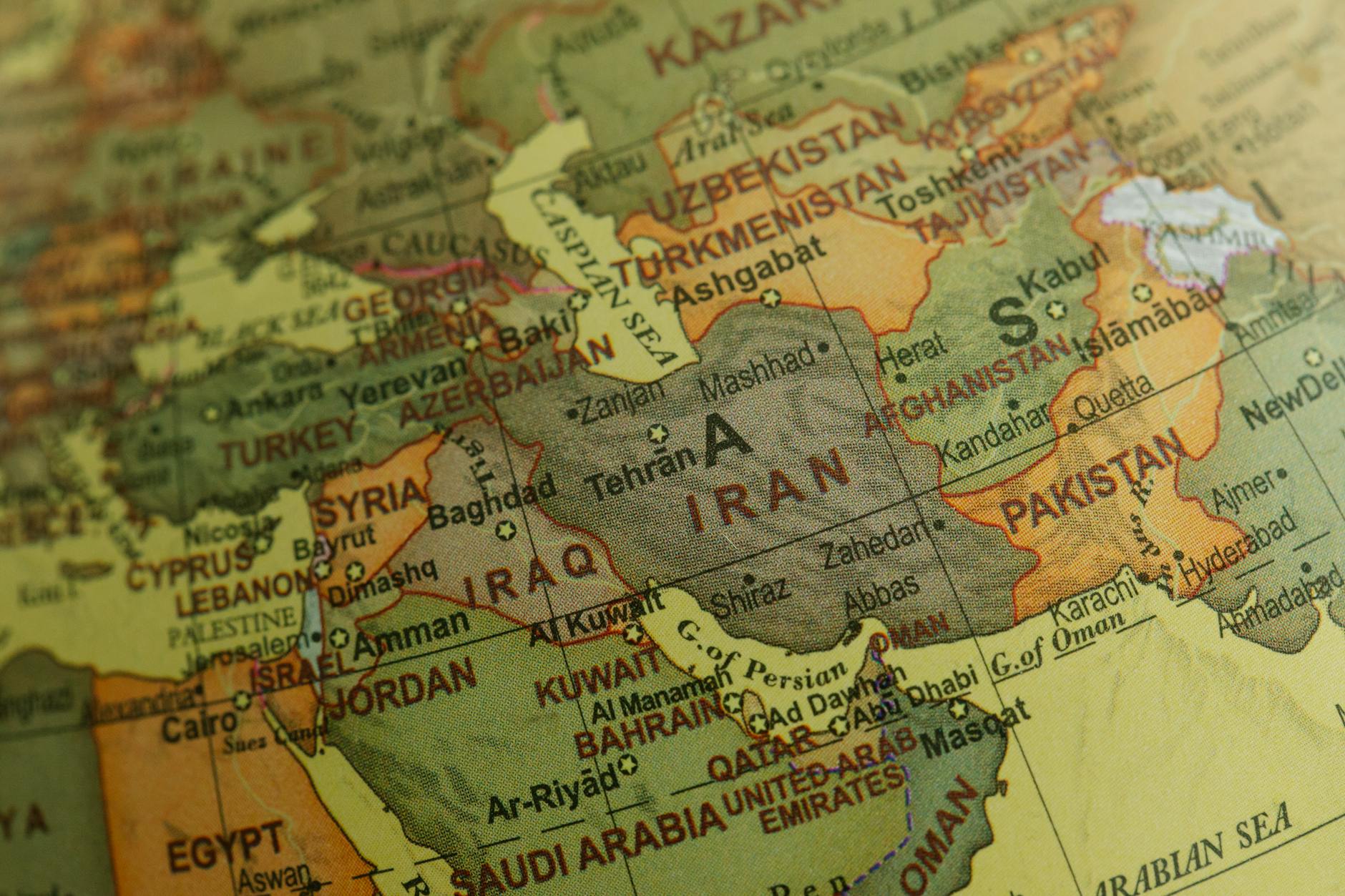
The latest flare‑up between Washington and Tehran has moved past press releases and into concrete military moves that are already reshaping global supply chains. The headlines spotlight missiles; the real impact is showing up at oil terminals, airport control towers and supermarket checkout lanes from Houston to Hamburg. Mapping how these events travel through trade routes, travel networks and consumer price tags lets businesses and households brace for the next wave of cost pressure.
Market Shockwaves: Oil Flows in Turmoil
When U.S. forces struck Iranian infrastructure in early June, Brent crude futures jumped sharply. Traders priced in both the physical risk of a slowdown through the Strait of Hormuz and the prospect of tougher sanctions that could curb Iran’s export capacity. Bloomberg’s analysts put the “risk premium” at roughly $3–$4 per barrel, a blend of genuine supply worries and speculative positioning (see Bloomberg video on oil flows).
The strait carries about 20 % of global oil. Even a brief dip in tanker traffic can thin inventories in major consuming regions, prompting refineries to bid up spot crude prices. In the weeks after the strikes, Gulf‑Coast refiners reported higher procurement costs, which quickly filtered into wholesale gasoline prices.
From Barrels to Pump Prices: The Fuel Chain
Higher crude prices do not stay on the trading floor; they travel down the supply chain with a predictable lag. U.S. retail gasoline rose an average of 8 cents per gallon within ten days of the June 10‑11 market spike, according to Bloomberg’s latest oil market analysis. Europe saw a similar pattern, with benchmark diesel climbing as refineries adjusted to costlier feedstock.
The pass‑through intensifies where fuel taxes dominate the pump price. In Germany and the U.K., taxes exceed 60 % of the final price, so even modest crude hikes translate into noticeable jumps at the pump. Shoppers feeling the pinch often trim discretionary travel, nudging demand for ride‑hailing services and logistics firms.
Aviation Detours: Airlines Redraw Flight Paths
Geopolitical tension has forced airlines to rethink routes that cross Iranian airspace. Several carriers operating Europe‑Asia long‑hauls have filed temporary flight‑plan adjustments with Eurocontrol, opting for southerly corridors over the Arabian Sea or routing through Turkish airspace. The detours add 30 to 90 minutes to flight times, raising fuel burn and crew costs.
Analysts estimate the extra fuel burn could lift operating expenses by 1–2 % on affected routes. Airlines may pass that cost to passengers via higher fares or fuel surcharges. The impact remains modest compared with historic oil shocks, but the cumulative effect is becoming measurable for frequent flyers and cargo operators—especially for time‑sensitive goods such as pharmaceuticals and high‑value electronics.
Grocery Shelves Feel the Pinch
The ripple reaches everyday groceries, too. Transportation accounts for a sizable slice of the final price of many food items, especially those that travel long distances or require refrigeration. As diesel prices climb, logistics firms raise their rate sheets, and those higher costs filter into wholesale prices paid by supermarkets.
In the United States, the Consumer Price Index for food at home rose 0.4 % month‑over‑month in May, with analysts linking part of the increase to higher freight expenses. Emerging‑market consumers see a similar story; Egypt and Nigeria have reported upticks in staple prices following recent oil‑market turbulence.
Items with high weight‑to‑value ratios—bulk grains, canned goods, bottled beverages—show the effect most clearly. Retailers may absorb short‑term spikes to stay competitive, but sustained pressure inevitably pushes shelf prices higher.
Broader Economic Implications
The episode underscores how tightly woven modern economies are through energy, transport and trade. A localized military action can trigger a cascade: higher oil prices → costlier freight and aviation → elevated consumer prices → shifts in spending habits. Policymakers monitor these transmission mechanisms because persistent price pressure can shape monetary‑policy choices, especially in economies still wrestling with post‑pandemic inflation.
For businesses, the lesson is clear: supply‑chain resilience matters. Companies that have diversified sourcing, invested in fuel‑efficient logistics, or hedged energy exposure are better positioned to weather the shock. Travel operators may explore alternative routes or more efficient aircraft to blunt fuel‑burn penalties.
Looking Ahead
Volatility will likely continue in the short term. The longer‑term path depends on three variables: the durability of any cease‑fire or diplomatic de‑escalation, Iran’s ability to reroute exports via alternative pathways, and how quickly global inventories can rebalance. Even a modest extension of tension could keep the oil risk premium elevated for months, sustaining upward pressure on both fuel and consumer prices.
Staying informed through reliable sources—such as Bloomberg’s coverage of market dynamics and expert commentary—helps investors and households make smarter budgeting, travel‑planning and investment decisions. Understanding how geopolitics translate into tangible costs at the pump, the airport and the grocery aisle equips readers to navigate an increasingly interconnected world.
Sources & references
Primary reporting and data used in this article. We cite original publishers to support fact-checking and editorial transparency.
You've finished this article
Keep exploring International News coverage or browse today's top deals.