
Title: Protests set to grip Geneva ahead of G7 summit
# Protests set to grip Geneva ahead of G7 summit
When G7 leaders meet, coverage usually zooms in on diplomatic handshakes and joint communiqués. Yet for travelers, local operators, and consumers watching prices, the practical effects often show up first outside the summit venue. With protests set to grip Geneva ahead of the upcoming G7 summit, the disruption is not only political; it can reshape travel plans, shipping routes, and short-term costs.
Geneva is both a diplomatic capital and a finance center, but it also functions as a key transit node. When demonstrations expand, the knock-on effects can reach hotel inventory, airport access, and local service pricing. For anyone moving through Switzerland or relying on Swiss hubs, the result can feel like an "instability tax": higher costs, tighter availability, and delayed movement of goods.
The Logistics of Disruption: Travel and Trade
Large demonstrations in a compact city such as Geneva can quickly trigger city-center lockdowns and tighter access around the airport. According to reports from France 24, security perimeters are expected to be tight, which typically means road closures and diverted public transport.
For travelers, the cost pressure starts with accommodation. When central hotels are reserved for diplomatic delegations or sit inside security zones, rooms farther from the core can jump in price as demand concentrates elsewhere. That same demand shock appears in other major sporting and political events, similar to how World Cup 2026 Travel Costs are projected to rise because of policy changes and demand.
Trade can feel the squeeze as well. Geneva is a gateway for high-value goods and diplomatic courier services. Once a city moves into high alert, goods do not necessarily stop moving, but they move more slowly. A few days of protests may not shake a global market, yet they can create bottlenecks for "just-in-time" deliveries, especially for luxury goods or specialized medical equipment routed through Swiss hubs.
How Geopolitical Tension Hits Your Wallet
These protests are tied to wider concerns over economic inequality, climate policy, and international conflict. The speeches and agreements inside summit rooms may feel distant, but their consequences can show up in the pricing of raw materials, energy, and imports.
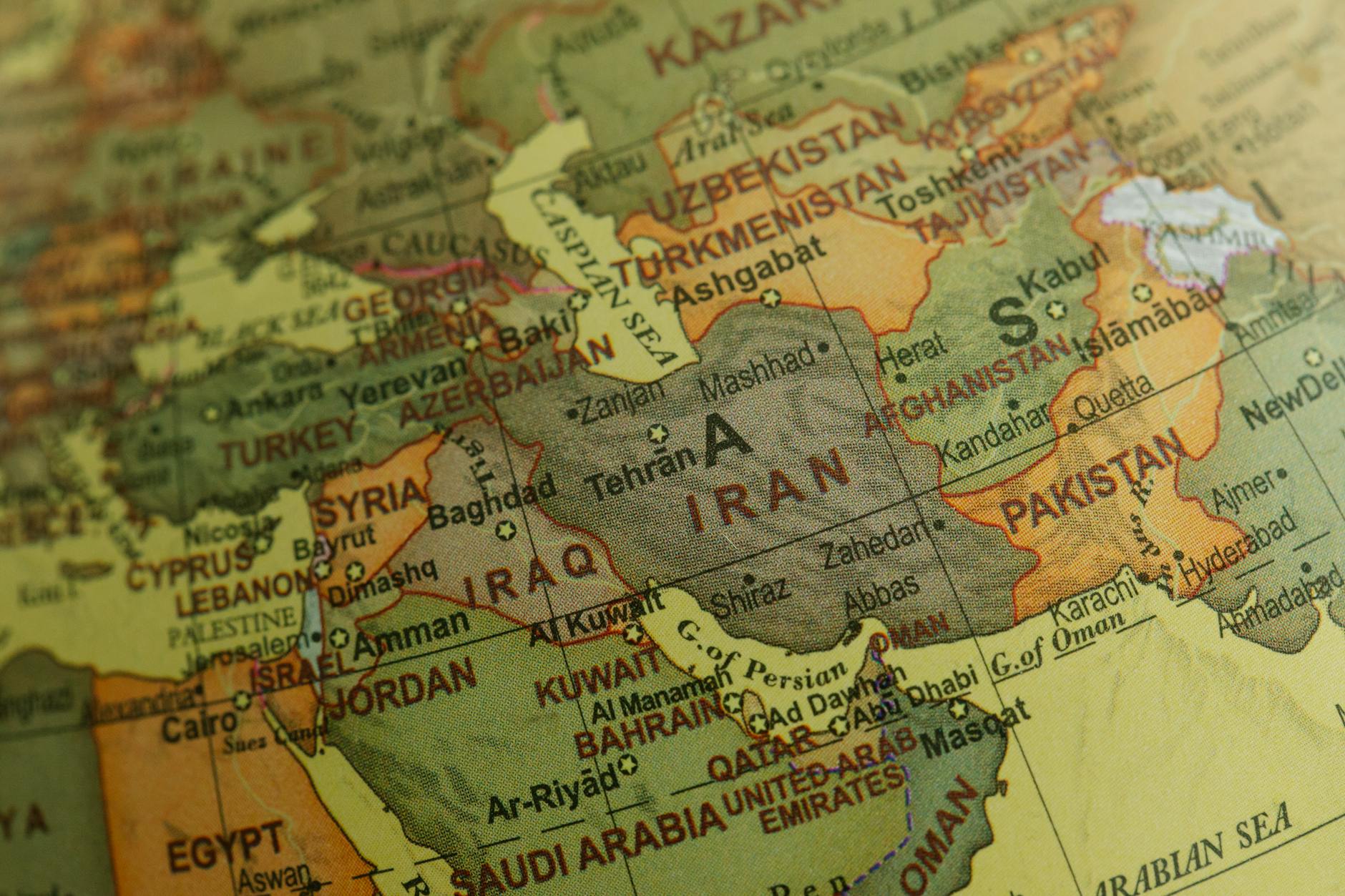
When G7 leaders discuss sanctions or trade restrictions, markets can respond quickly. We have seen similar patterns when geopolitical friction in the Middle East affects energy markets, as detailed in our analysis of Iran’s New Frontiers. When summit talks turn to trade barriers or carbon taxes, imported goods can also become more expensive for consumers and businesses.
For everyday buyers, the impact can show up in three main ways:
* Increased Shipping Costs: Security-related delays at European transit hubs can lead to surcharges from logistics providers.
* Energy Volatility: Statements on oil production or sanctions during the summit can cause a flicker in gas prices at the pump within 48 hours.
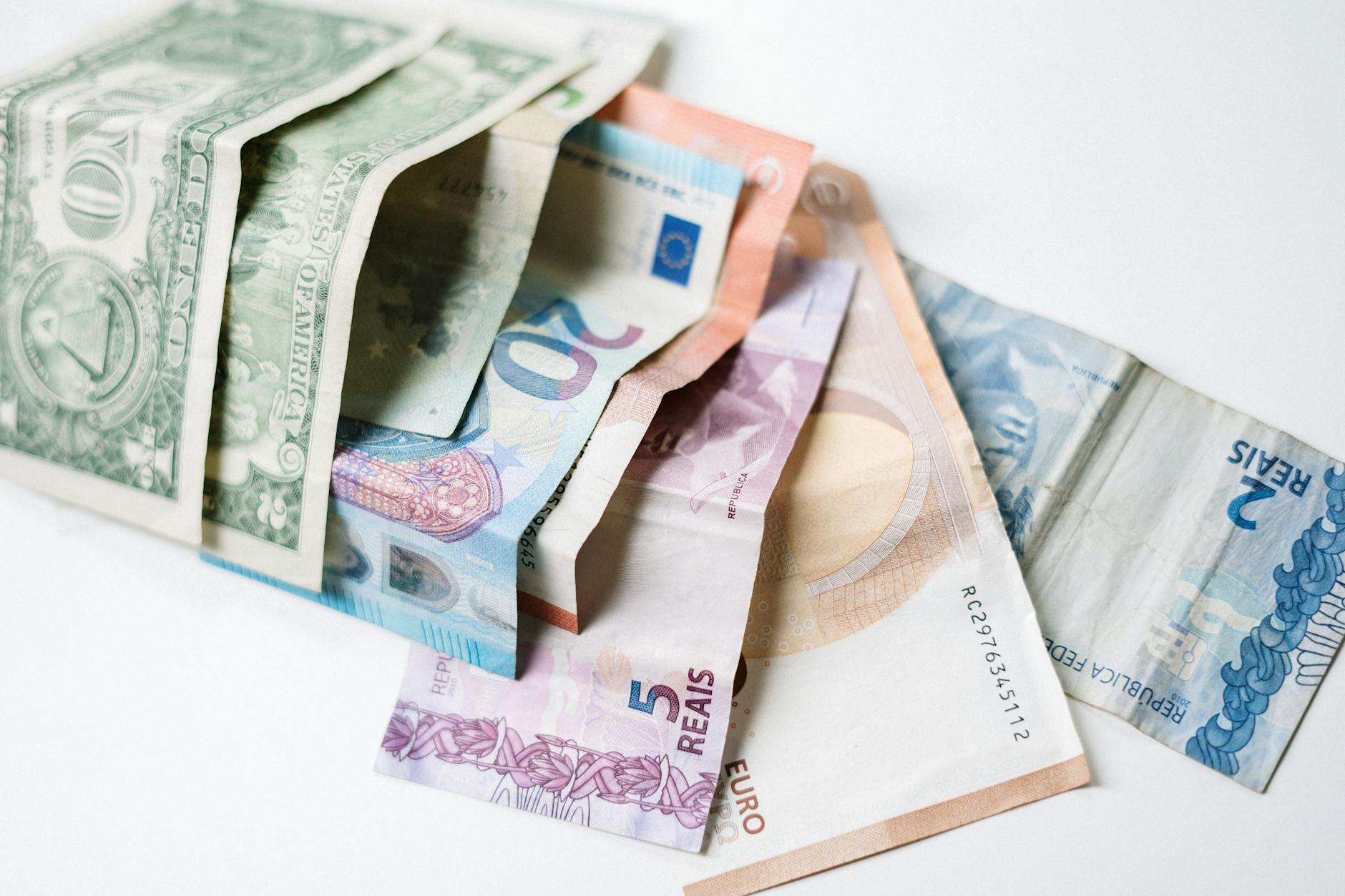
* Currency Fluctuations: The Swiss Franc often acts as a "safe haven" during unrest, which can make travel to Switzerland more expensive for those holding USD or EUR.
Expert Analysis: The "Summit Effect" on Consumer Prices
From a consumer-journalism standpoint, the "Summit Effect" follows a familiar pattern: scarcity first, then uneven local pressure. The first stage is the "security spike," when taxis, hotels, and restaurants raise prices because delegates, security teams, and media crews are competing for limited services. The second is the "disruption dip," when local businesses lose foot traffic because of street closures, often pausing promotions or discounts.
If you are trying to offset higher travel or electronics costs, it is a practical time to compare consumer deals before summit-related volatility peaks.
The wider signal is also important. When protests set to grip a city such as Geneva are driven by economic grievances, they can point to shifting consumer sentiment. That shift may later feed into demands for higher wages or lower prices on essentials, creating inflationary pressure over the medium term.
Navigating the Unrest: Practical Takeaways
If you have travel or business plans in the region, treat the summit period as a risk-management window. Standard routes that work on a normal day may not be the smartest option during G7-related security controls.
Traveler Checklist:
1. Avoid the City Center: Use peripheral transit hubs and stay clear of the "Red Zones" designated by Swiss security forces.
2. Buffer Your Schedule: Add 2–4 hours to any transit to the Geneva airport.
3. Monitor the News: Follow our international news desk for real-time updates on how these events are affecting global trade routes.
Business Owner Checklist:
1. Diversify Logistics: If you rely on Swiss transit for high-value shipments, route them through alternative European hubs like Luxembourg or Frankfurt to avoid summit-related bottlenecks.
2. Hedge Currency: If paying vendors in CHF, lock in rates early to avoid the "safe haven" price spike.
Conclusion
The protests set to grip Geneva ahead of the G7 summit are a reminder that global diplomacy can land directly in a traveler's itinerary or a shopper's receipt. Hotel rooms, airport transfers, shipping timelines, energy prices, and currency values can all move when a summit meets civil unrest. The best move is to plan around the disruption early: adjust routes, watch official updates, and protect your budget before the tightest security measures take hold.
Sources: France 24
Frequently asked questions
- Will these protests affect flights to and from Geneva?
- Flights rarely stop entirely, but ground transport to and from the airport is often disrupted. Expect a heavier police presence and possible delays for taxis and ride-shares.
- Why do G7 summit protests affect consumer prices?
- G7 decisions on tariffs, trade agreements, and sanctions can influence import costs. Large-scale protests can also add short-term pressure to shipping and travel insurance premiums.
- Is Geneva safe to visit during the summit?
- Generally, yes, if you avoid designated protest zones and diplomatic perimeters. For most visitors, the bigger issue is not personal safety but the inconvenience of road closures and higher local service costs.
Sources & references
Primary reporting and data used in this article. We cite original publishers to support fact-checking and editorial transparency.
You've finished this article
Keep exploring International News coverage or browse today's top deals.