
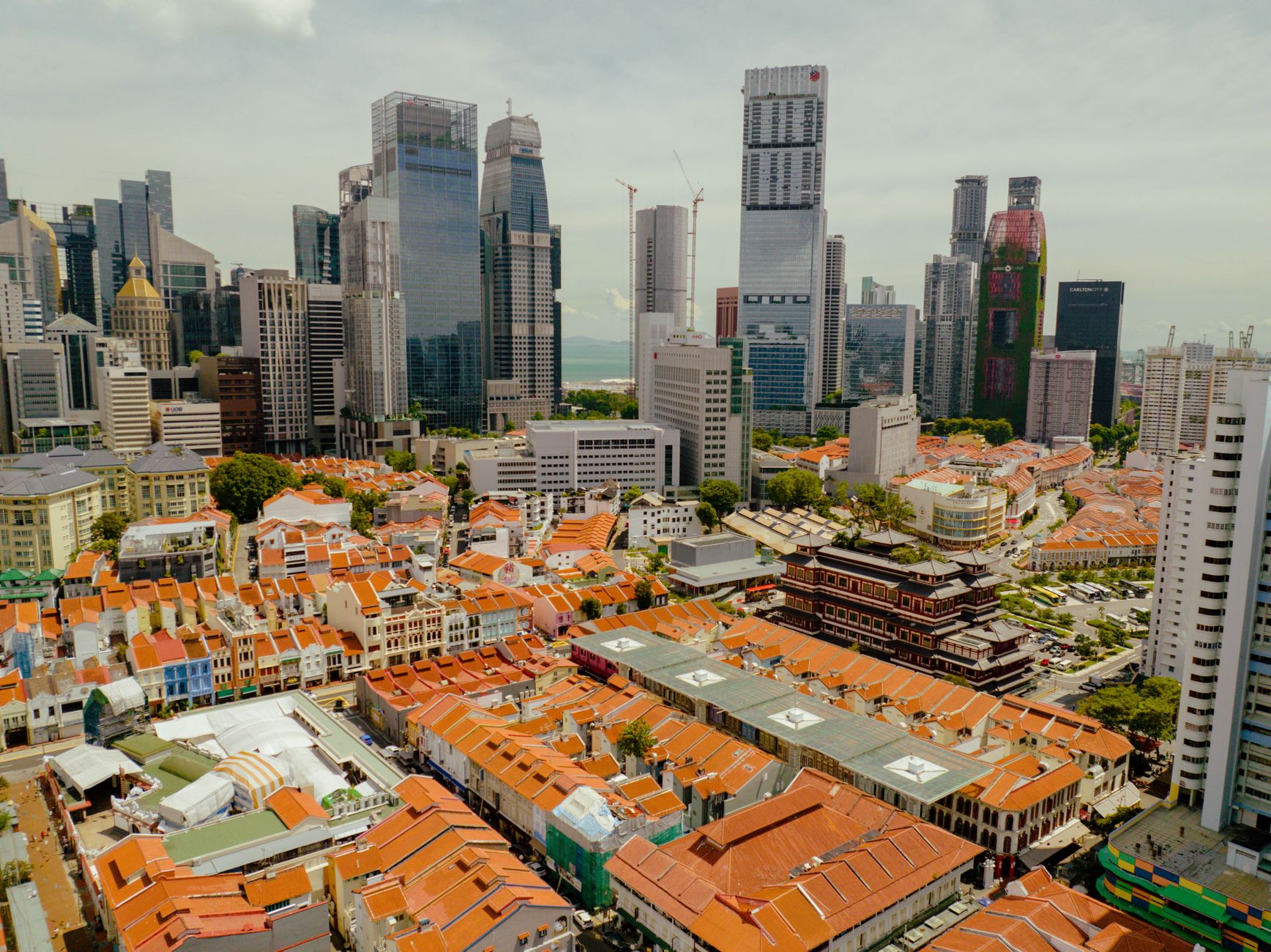
Singapore to Launch Gold Clearing With JPMorgan, Other Banks
Singapore is set to begin gold clearing operations this year, partnering with JPMorgan and other major banks to solidify its position as a leading financial center. This move could reshape how gold trades globally and impact everything from investment portfolios to everyday consumer prices. The announcement underscores the city‑state’s ambition to deepen its commodity‑trading capabilities while offering a neutral venue for market participants seeking alternatives to the traditional Western hubs. By launching a dedicated clearing and settlement service for physical gold, Singapore aims to attract both institutional investors and retail buyers who value efficiency, transparency, and competitive pricing.
The initiative represents a concrete step toward that goal, signaling to market players that the city‑state is ready to handle the full lifecycle of bullion transactions—from vaulting and verification to net settlement. The initiative is expected to complement Singapore’s existing strengths in foreign exchange, wealth management, and fintech, creating a more integrated ecosystem for precious‑metal activity.
Singapore to Launch Gold as Global Financial Hub Strengthens Its Role
The Monetary Authority of Singapore (MAS) announced plans to launch gold clearing and settlement services in 2026, positioning the city‑state to compete with London and New York. The initiative involves collaboration with JPMorgan Chase and other international banks to create a faster, more efficient system for gold transactions. By enabling direct clearing of gold bullion and coins, Singapore aims to reduce reliance on traditional hubs and cut transaction costs.
MAS has emphasized that the new infrastructure will operate under a robust regulatory framework designed to safeguard market integrity while encouraging innovation. Participants will be able to submit trade instructions through a centralized platform, where matched orders are netted and settled on a T+0 or T+1 basis, depending on the agreed workflow. The system will support both allocated and unallocated gold, accommodating a range of client preferences from sovereign wealth funds to individual investors.
This development comes amid rising global demand for physical gold, driven by inflation concerns and geopolitical uncertainty. As Bloomberg reports, the new system will support both wholesale and retail investors, potentially lowering barriers for small‑scale buyers. The report notes that the initiative aligns with Singapore’s broader strategy to become a “global hub for commodities trading,” a vision that has already seen growth in sectors such as liquefied natural gas and metals.
Key Facts About Singapore’s Gold Clearing Initiative
The Monetary Authority of Singapore (MAS) announced plans to launch gold clearing and settlement services in 2026, positioning the city‑state to compete with London and New York. The initiative involves collaboration with JPMorgan Chase and other international banks to create a faster, more efficient system for gold transactions. By enabling direct clearing of gold bullion and coins, Singapore aims to reduce reliance on traditional hubs and cut transaction costs.
MAS has emphasized that the new infrastructure will operate under a robust regulatory framework designed to safeguard market integrity while encouraging innovation. Participants will be able to submit trade instructions through a centralized platform, where matched orders are netted and settled on a T+0 or T+1 basis, depending on the agreed workflow. The system will support both allocated and unallocated gold, accommodating a range of client preferences from sovereign wealth funds to individual investors.
This development comes amid rising global demand for physical gold, driven by inflation concerns and geopolitical uncertainty. As Bloomberg reports, the new system will support both wholesale and retail investors, potentially lowering barriers for small‑scale buyers. The report notes that the initiative aligns with Singapore’s broader strategy to become a “global hub for commodities trading,” a vision that has already seen growth in sectors such as liquefied natural gas and metals.
How This Impacts Global Trade and Consumer Prices
Gold is more than a store of value—it’s a key commodity in international trade. With Singapore handling more gold clearing, Asian traders may save on transaction fees and settlement times. That efficiency could translate into slightly lower premiums for consumers buying gold coins or jewelry in the region, although the exact magnitude of any price change will depend on market conditions and the extent to which cost savings are passed along the supply chain.
For travelers and importers, this shift may ease supply chain pressures. Gold often moves through multiple financial centers before reaching final buyers. Streamlining this process in Singapore could reduce delays, particularly for goods heading to or from Asia‑Pacific markets. Faster settlement also means that traders can recycle capital more quickly, which may encourage higher trading volumes and greater liquidity in the regional market.
Additionally, increased competition among gold‑clearing hubs may drive down fees across the board. These savings can eventually reflect in consumer deals on gold‑related products, from ETFs to collectibles. While spot prices remain largely influenced by macro‑economic drivers such as interest rates, currency fluctuations, and central‑bank activity, the reduction of operational friction could make gold a more attractive allocation for portfolios seeking diversification.
Expert Insights: Why Singapore Matters in the Gold Market
Singapore’s strategic location and business‑friendly policies make it an ideal candidate for expanding gold infrastructure. Unlike London, which dominates Western markets, or New York, which focuses on futures, Singapore bridges Eastern and Western demand. Its time zone allows overlap with both European and Asian trading sessions, providing a convenient window for real‑time negotiation and settlement.
Financial institutions view this as a long‑term play. As central banks continue buying gold—especially from emerging markets—having a neutral‑ground clearinghouse offers neutrality and transparency. For consumers, this means more options and potentially better pricing when investing in or purchasing gold. The presence of a trusted clearing mechanism can also reduce counterparty risk, a consideration that becomes increasingly important in periods of market stress.
Moreover, Singapore’s push aligns with broader efforts to diversify global financial flows away from traditional Western‑dominated systems. This trend affects everything from travel costs in financial hubs to the pricing of commodities traded internationally. By offering an alternative venue for gold clearing, Singapore contributes to a more multipolar financial architecture, which may enhance resilience against geopolitical shocks.
Singapore to Launch Gold clearing also signals to market participants that the city‑state is willing to invest in the technological upgrades needed to support high‑volume, low‑latency trading. Industry observers note that the initiative could spur innovation in areas such as blockchain‑based provenance tracking, automated compliance checks, and real‑time reporting—features that further strengthen Singapore’s appeal as a modern commodities hub.
Geopolitical Context and Future Outlook
While the initiative is commercial in nature, it also reflects larger shifts in global finance. Countries are increasingly seeking alternatives to U.S. and European financial infrastructure, especially amid sanctions and trade tensions. By establishing a gold‑clearing platform that operates under Singapore’s reputable regulatory regime, market participants gain access to a venue that is perceived as stable, transparent, and insulated from unilateral policy shifts.
For consumers, the immediate impact may be subtle—slightly improved liquidity and reduced transaction friction. But over time, these changes can influence how quickly and affordably gold reaches retail markets. Those tracking international news should watch how other Asian centers respond to Singapore’s expansion. Competing hubs may accelerate their own upgrades, leading to a broader trend of cost reduction and service improvement across the sector.
Looking ahead, the success of Singapore’s gold‑clearing venture will depend on several factors: the willingness of banks to commit liquidity to the platform, the clarity of legal frameworks governing cross‑border settlement, and the ability to integrate with existing vaulting and logistics networks. If these elements align, the city‑state could capture a meaningful share of global gold flows, reinforcing its reputation as a versatile financial center capable of adapting to evolving market needs.
Conclusion
Singapore’s entry into gold clearing marks a significant evolution in global financial infrastructure. While the immediate effects may be felt by institutions, the long‑term benefits—including lower costs, greater accessibility, and enhanced transparency—could reach everyday consumers. As geopolitical and economic dynamics shift, staying informed helps individuals and businesses make smarter financial decisions.
Sources: Bloomberg
Frequently asked questions
- How will Singapore’s gold clearing affect gold prices for consumers?
- Lower transaction costs and faster settlements may reduce premiums on gold coins and jewelry sold in Asia. However, spot prices are more influenced by macroeconomic factors like inflation and interest rates, so any consumer‑level price change will likely be modest and gradual.
- Which banks are involved in Singapore’s gold clearing project?
- JPMorgan is a key partner, along with other unnamed international banks. The collaboration aims to build a comprehensive infrastructure for both institutional and retail gold transactions, leveraging each participant’s expertise in custody, trading, and settlement.
- Is this part of a larger trend in global finance?
- Yes. Countries like Singapore are building alternative financial infrastructure to reduce dependence on U.S. and European systems. This trend affects trade routes, investment flows, and even consumer pricing , as market participants seek venues that offer neutrality, efficiency, and regulatory certainty.
Sources & references
Primary reporting and data used in this article. We cite original publishers to support fact-checking and editorial transparency.
You've finished this article
Keep exploring International News coverage or browse today's top deals.