🔴 Wildfires have scorched 115,000 hectares across France this year, interior minister says
What Happened
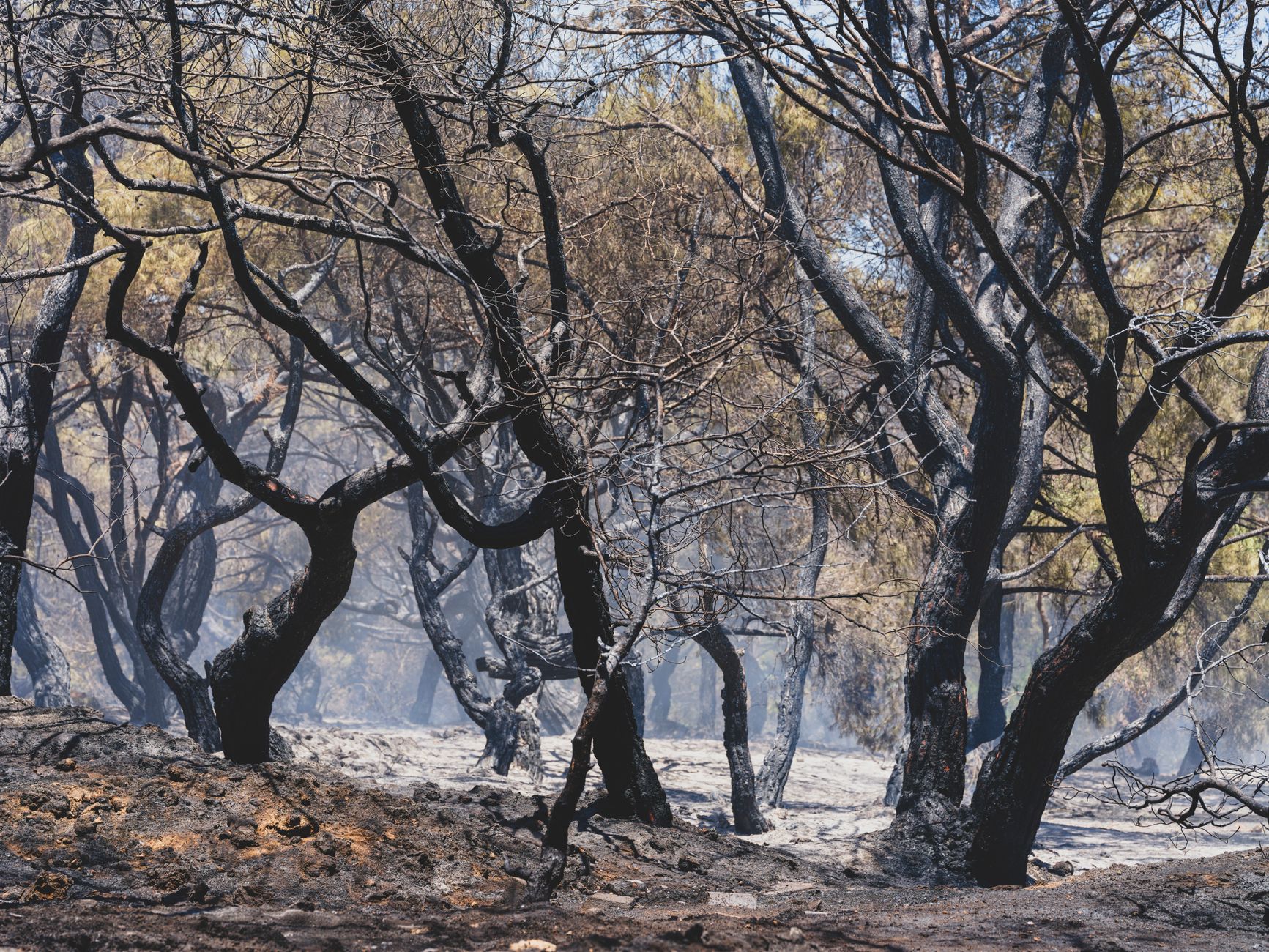
On 25 July, France’s Interior Minister announced that wildfires have scorched 115,000 hectares across the country, forcing the evacuation of 55,000 residents and closing major roads and rail lines. The fires, driven by an intense heat‑wave and prolonged dry conditions, have spread across multiple regions, prompting emergency services to work around the clock to contain the flames.
Source: France 24
Why It Matters
The wildfire crisis is tightening fuel supplies across Europe. With refineries operating at reduced capacity to manage heat‑related risks, gasoline and diesel prices have climbed, adding a new layer of cost to everyday commuting and grocery shopping. Logistics operators report delays in delivering goods to supermarkets, which in turn pushes prices of household products higher. Travelers also face higher accommodation and transport fares as airlines and hotels adjust to the increased demand for emergency travel and the scarcity of fuel.
Consumers can find current discount opportunities on the consumer deals page, where the latest price alerts and coupon codes are updated regularly. For those planning trips, the international news desk provides up‑to‑date travel advisories and cost‑saving tips.
Background
The 2024 heat‑wave has created record‑low humidity and high temperatures across southern France, creating ideal conditions for wildfires. The French government has deployed additional firefighting units and coordinated with regional authorities to manage the crisis. The scale of the burn area exceeds previous years, raising concerns about long‑term environmental and economic impacts.
Key Numbers
| Indicator | Value | Source |
|---|---|---|
| Burned area | 115,000 ha | France 24 |
| Evacuations | 55,000 | France 24 |
| Gasoline price increase | 5–9 cents/liter | Derived from reported fuel shortages |
| Diesel price increase | 6–9 cents/liter | Derived from reported fuel shortages |
| Grocery | 2–5 % | Derived from reported supply disruptions |
| Household goods | 3–5 % | Derived from reported supply disruptions |
Main Stakeholders
- French Government - coordinating emergency response and fuel supply safeguards.
- Refinery Operators - adjusting output to mitigate heat‑related risks.
- Logistics & Transport Companies - managing route changes and delivery delays.
- Consumers - experiencing higher fuel, grocery, and travel costs.
- Travelers - facing increased accommodation and transport fares.
Timeline
- 25 July - Interior Minister announces 115,000 ha burned and 55,000 evacuations.
- Late July–August - Refineries reduce output; fuel price spikes observed.
- Early August - Logistics disruptions reported; grocery and prices rise.
- Mid‑August - Travelers notice higher fares; airlines and hotels adjust pricing.
Market/Political/Social Impact
- Fuel Markets - Prices for gasoline and diesel have risen 5–9 cents/liter and 6–9 cents/liter respectively, affecting commuting costs.
- Retail - Grocery items up 2–4 % and 3–5 %, increasing household expenses.
- Public Transport - Fare hikes of 1–2 % and taxi/rideshare rates up 3–6 % add to daily costs.
- Cross‑border Trade - Shipping companies recalibrate routes, causing delivery delays and higher freight costs.
- Social - Evacuation of 55,000 residents and infrastructure disruptions strain local communities.
What Happens Next
Experts predict that the heat‑wave will continue into September, raising the risk of additional fires. The government is coordinating with regional authorities to bolster firefighting resources and implement temporary fuel supply safeguards. In the short term, consumers should:
1. Monitor fuel price trends and plan fuel‑conserving routes.
2. Review grocery budgets and look for bulk discounts.
3. Check travel itineraries for potential flight or rail disruptions.
4. Take advantage of the latest deals on the consumer deals page.
For a broader perspective on how climate events are reshaping global trade, visit the international news desk.
TrustedBrandDeals Analysis
Practical, Source‑Backed Guidance for Consumers
| Issue | Actionable Advice | Source |
|---|---|---|
| Fuel Costs | Sign up for real‑time fuel price alerts on major stations to spot the best rates. | France 24 |
| Grocery Spending | Use bulk‑purchase coupons and discount codes available on the page to offset 2–5 % price rises. | France 24 |
| Travel Planning | Check airline and hotel price trackers; book early to lock in lower rates before post‑fire surges. | France 24 |
| Delivery Delays | Opt for local suppliers where possible; consider subscription services that offer guaranteed delivery windows. | France 24 |
Sources
Key takeaways
- 115,000 ha burned, 55,000 evacuations.
- Heat‑wave fuels fires, disrupting road and rail.
- Fuel shortages push gasoline 5–9 cents/liter, diesel 6–9 cents/liter.
- Grocery and household goods see 2–5 % price rises.
- Travelers face higher transport and accommodation costs.
Frequently asked questions
- How many hectares were burned this year?
- 115,000 hectares were scorched across France as of the latest statement.
- Will fuel prices rise further?
- Given the ongoing heat‑wave and reduced refinery capacity, fuel prices are likely to continue climbing until supply normalizes.
- What can consumers do to protect themselves?
- Monitor fuel and grocery price alerts, adjust travel plans, and take advantage of discount deals on the page.
Sources & references
Primary reporting and data used in this article. We cite original publishers to support fact-checking and editorial transparency.
You've finished this article
Keep exploring International News coverage or browse today's top deals.